(part of the “Breathing Out” Lenten Series)
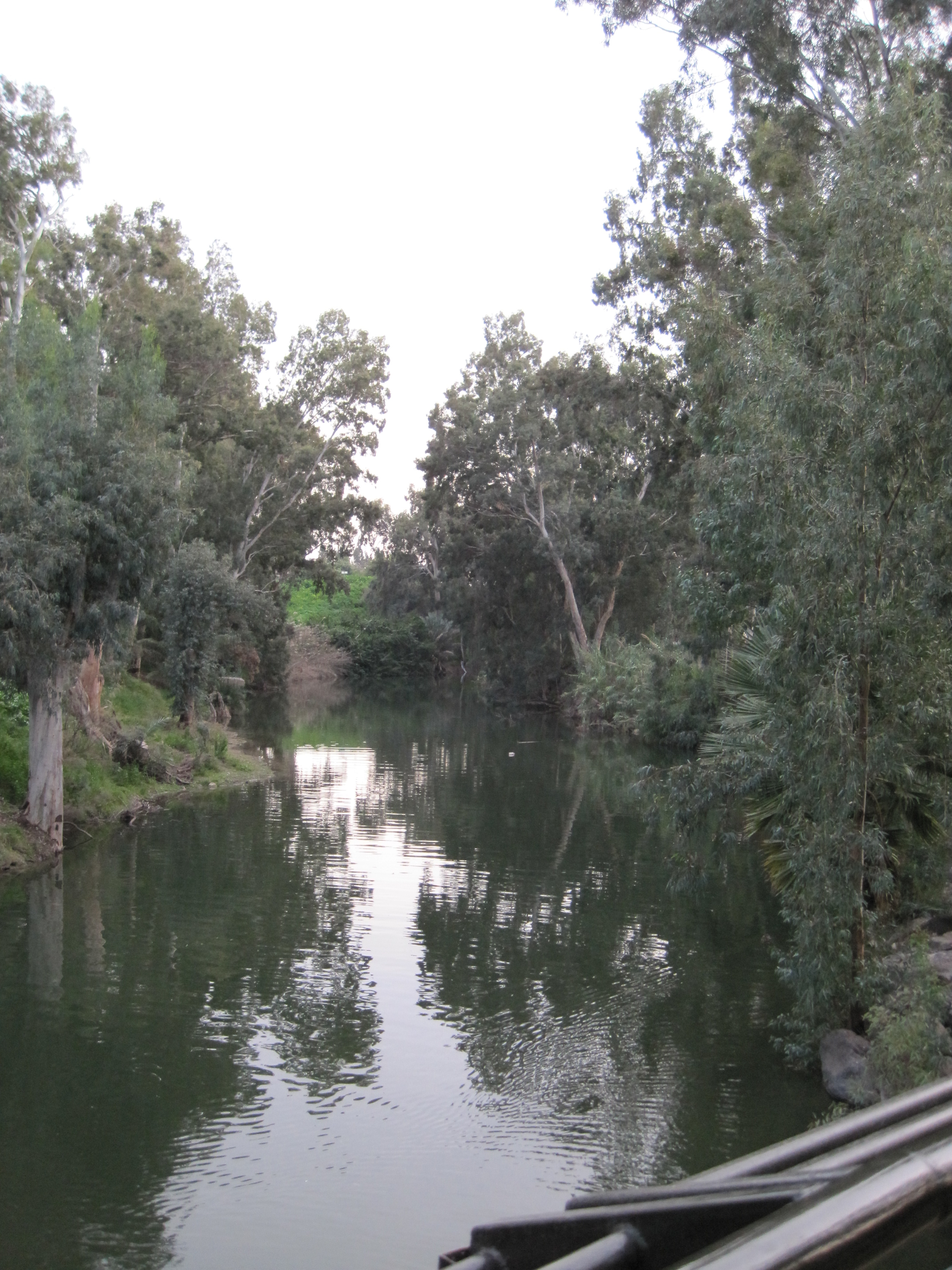
Scripture Text: Mark 1: 4-11
4John the baptizer appeared in the wilderness, proclaiming a baptism of repentance for the forgiveness of sins. 5And people from the whole Judean countryside and all the people of Jerusalem were going out to him, and were baptized by him in the river Jordan, confessing their sins. 6Now John was clothed with camel’s hair, with a leather belt around his waist, and he ate locusts and wild honey. 7He proclaimed, “The one who is more powerful than I is coming after me; I am not worthy to stoop down and untie the thong of his sandals. 8I have baptized you with water; but he will baptize you with the Holy Spirit.”
9In those days Jesus came from Nazareth of Galilee and was baptized by John in the Jordan. 10And just as he was coming up out of the water, he saw the heavens torn apart and the Spirit descending like a dove on him. 11And a voice came from heaven, “You are my Son, the Beloved; with you I am well pleased.”
Whenever I write daily during Lent, I am always wondering what to do with this week before Palm Sunday. After all, the Lectionary passages for this coming Sunday ARE Palm Sunday. So, maybe it’s a good time to sort of “take stock” as we come closer and closer to the Cross, as we walk with Jesus through those last days.
My grandmother lived to be over 100. She developed a plethora of physical ailments but she never lost her sharp mind and her memory. In those last few years before her death, I had wonderful times of just driving around our hometown with her (the one we had BOTH grown up in) and sharing her memories. I knew what she was doing. She was “taking stock”. She knew that the end of her earthly life was imminent and this was her way of making sure she left what she needed for us, that we knew from where we’d come. So, together, we sat on a road that used to be “out in the country” as she recounted where the family farmhouse had been and down the road from there where the Stockdick School was that my great grandfather had built. (Those are now covered with suburban homes, grocery stores, and a really cute wine bar.)
On one of the trips, we went to the old cemetery where there are relatives back to my great-great grandparents (on two sides of the family…yeah, we don’t get out much). My grandmother wanted to find the gravestone of her dad’s younger brother who had died as a child to get the year he died. She called him Little Roy. So, I remember kneeling down in the mud scraping on a more than hundred-year-old tombstone (he died in 1899) to get the death date while my grandmother stood there on her walker watching me. I ended up going back to the car and digging in my purse for a pencil and a piece of paper and I did a rubbing of it. We were “taking stock” of those important moments–together.
After my grandmother died, we found all these notes where she had tried to recount all the family stories. I also found the pencil rubbing of Little Roy’s tombstone. I took all those and put together a book of sorts. They were the important things that my grandmother “took stock of” before she died. They needed to be remembered.
Don’t you imagine that Jesus was doing some of that? I mean, he knew things did not look good. He knew where things were going. So, he began to take stock of his life. Had he served God in the way he was called to? Had he shown his followers what they needed to see? Had he left something that would take hold? Jesus was human. Of course he was asking himself those questions. (That’s why it’s OK for US to ask those questions!)
And so, he remembered his baptism. He remembered with love his cousin John, who had baptized him in that cold murky water of the Jordan. John was gone now. Only beautiful memories remain. He remembers that point where he knew it was time to begin his ministry, to walk the walk that God had called him to. He had gone to John to be baptized. Even Jesus couldn’t baptize himself! It was what he would call his followers to do so it was his to do also. He knelt down and John had bent over him. And it was then the heavens opened up and the Spirit emerged in the form of a dove. We read of the heavens being “torn”, violently ripped apart so that they could not go back together in the same way. The Greek word there is a form of the verb schitzo as in schism or schizophrenia. It is not the same word as open. I open the door. I close the door. The door looks the same, but something torn apart is not easily closed again. The ragged edges never go back together as they were. The Gospel writer known as Mark wasn’t careless in using that word: schitzo. He remembered Isaiah’s plea centuries before when the prophet cried out to God, “Oh, that you would tear the heavens open and come down to make your name known to your enemies and make the nations tremble at your presence.” In other words, at this moment, God’s Spirit on earth became present in a brand new way. A new ordering of Creation had begun.
It was at that moment that the heavens opened and spilled onto the earth. The Holy Spirit descended upon Jesus like a dove. And we heard what the world has always been straining to hear: “You are my Son, the Beloved, with you I am well pleased.” In this moment, Jesus knew his ministry had begun. This is the moment toward which all of Creation has been moving. This the moment for which we’ve been waiting.
And we remember in this moment that it had begun. And at the same time we remember our own baptism, that moment when the heavens are torn apart and spill out into the earth. Breathe…breathe out wanting to hold back. Breathe out wanting to keep things the way they were. Breathe out the reticence you may have. And breathe in…breathe in your baptism, breathe in what God is calling you to do, breathe in the Spirit that spilled out of the heavens. It is yours, meant for you. The heavens will tear again soon. The temple curtain will rip in two. Perhaps this tearing was a foretelling of what was to come. For now, we take stock. And we remember. And we follow Jesus on this journey.
Jesus was still wet with water after John had baptized him when he stood to enter his ministry in full submission to God. As he stood in the Jordan and the heavens tore apart and spilled into the earth, all of humanity stood with him. We now stand, wet with those same waters, as we, too, are called into ministry in the name of Christ. As we emerge, we feel a cool refreshing breeze of new life. Breathe in. It will be with you always. Submit your life, empty yourself, so that there will finally be room for Christ in this world. Then…it is up to you to finish the story. This day and every day, remember your baptism, remember that you are a daughter or son of God with whom God is well pleased and be thankful. You are now part of the story. Take stock of it all.
The future enters into us, in order to transform itself in us, long before it happens. (Rainer Maria Rilke)
Grace and Peace,
Shelli


 Dancing to God