(part of the “Breathing Out” Lenten Series)

Psalm 32 (Lent 1A)
1Happy are those whose transgression is forgiven, whose sin is covered.
2Happy are those to whom the Lord imputes no iniquity, and in whose spirit there is no deceit.
3While I kept silence, my body wasted away through my groaning all day long.
4For day and night your hand was heavy upon me; my strength was dried up as by the heat of summer. Selah
5Then I acknowledged my sin to you, and I did not hide my iniquity; I said, “I will confess my transgressions to the Lord,” and you forgave the guilt of my sin. Selah
6Therefore let all who are faithful offer prayer to you; at a time of distress, the rush of mighty waters shall not reach them.
7You are a hiding place for me; you preserve me from trouble; you surround me with glad cries of deliverance. Selah
8I will instruct you and teach you the way you should go; I will counsel you with my eye upon you.
9Do not be like a horse or a mule, without understanding, whose temper must be curbed with bit and bridle, else it will not stay near you.
10Many are the torments of the wicked, but steadfast love surrounds those who trust in the Lord.
11Be glad in the Lord and rejoice, O righteous, and shout for joy, all you upright in heart.
Well, you can tell it’s Lent when we keep talking about confession and repentance and forgiveness. Most people in our modern-day society sort of squirm with those subjects. I mean, can’t we just put these on the top shelf next to the hellfire and brimstone theology and the decree claiming that women can’t read the Scripture in church? I mean, how about we talk a little about grace? Isn’t that what we do? We’d rather hide the shortcomings away or shift the blame to someone else or change the environment so what we did is perhaps now acceptable. I mean, admitting we’ve messed up is hard. It’s uncomfortable. And what if everyone knows about it? And so, we walk around full of guilt, full of questions, full of something that could just as easily be cleared away.
Let’s get this straight. God is not sitting there waiting for us to confess, waiting for us to repent before God loves us. There are those who will couch it like that (probably the same ones pulling the hellfire and brimstone material out) but, and this is me talking, I think that’s not the way it is at all. Maybe God doesn’t even really care whether or not we do it. Oh, but I think God does. You know why? Because God loves us. See, confession, admission, breathing out the wrongs we have done, the people we have hurt, the ways we have blamed others for the peril of our lives is not to please God. It is, rather, to make room for us, to clear a way so that we can grow and prosper and find a new way. And because God loves us more than we can even fathom, God’s desire is that that happens—not for God but for us.
The psalmist warns against our silence, warns against us hiding ourselves away and not talking about it, not facing the truth. And the psalmist exhorts us to confess, to admit our wrongdoing, to claim responsibility for our sins. We no longer need to hide. Because it is God who will step in, who will hold us in our discomfort, who will comfort us in our peril, who will stand with us as the consequences of whatever harm we have wrought, whatever hurts we have brought, rain down on us.
See, we know God forgives. The part we miss is that God will stay with us through everything that comes after. Breathe out your confession. Make room. And breathe in forgiveness and newness and the very presence of God through it all.
I must confess that I was not excited about writing this one. I mean, it sort of sounded like a downer. Now I realize that it WAS about grace. Breathe out confession and breathe in grace.
In the Name of Jesus Christ you are forgiven…
Forgiveness is the act of admitting we’re like other people. (Christian Baldwin)
Grace and Peace,
Shelli
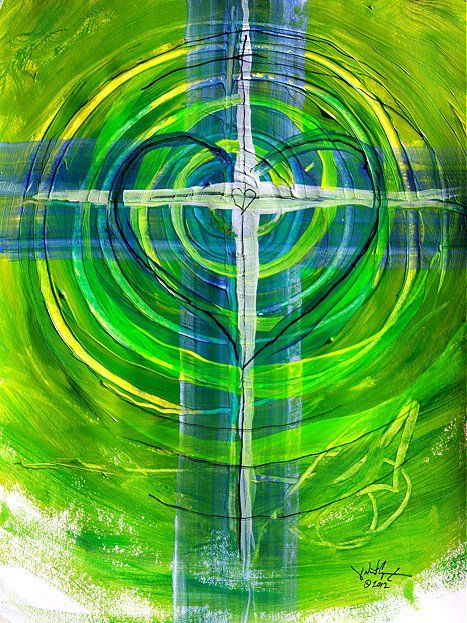
 Dancing to God