(part of the “Waiting on the World to Change” Advent Series)
Romans 13:11-14 (Advent 1A)
11Besides this, you know what time it is, how it is now the moment for you to wake from sleep. For salvation is nearer to us now than when we became believers; 12the night is far gone, the day is near. Let us then lay aside the works of darkness and put on the armor of light; 13let us live honorably as in the day, not in reveling and drunkenness, not in debauchery and licentiousness, not in quarreling and jealousy. 14Instead, put on the Lord Jesus Christ, and make no provision for the flesh, to gratify its desires.
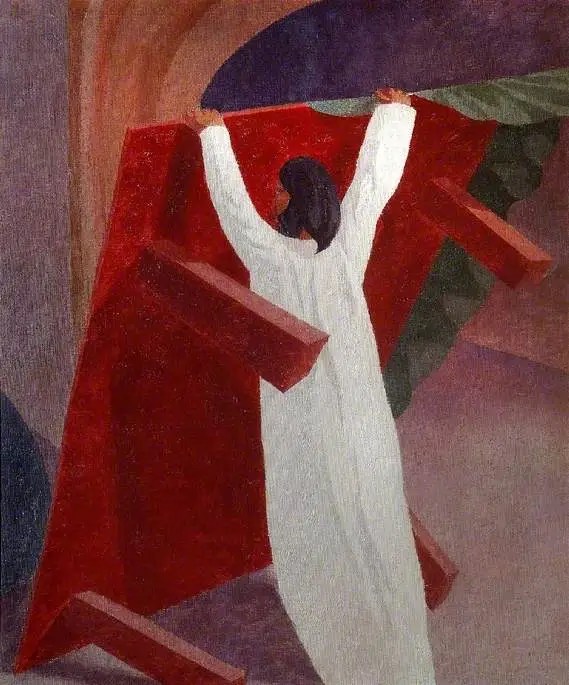
Waiting is all about timing. It is about knowing when to wait, when to awake, and when to start moving forward. So, Paul tells us to lay the works of darkness aside and put on the armor of light and, well, start moving. I actually find that a rather odd notion—an armor of light. What exactly is that? After all, an armor is solid, deflecting, a protective shield against that which comes against it. Honestly, sometimes I find the military language a bit off putting, as if we are somehow taking those wonders of faith and pulling them down into our secular language, the language of empire.
But, remember, this was written right in the middle of an empire to people who lived in and were subjects of that empire. It was what they understood. Think about it. You know all those military soldiers that you see so often, the ones that are marching for the emperor through the streets of Rome and its subject cities? Think about the armor they wear. And don an armor that is different. Because God’s entry into the world in the form of Jesus Christ did not affirm and ratify the empire. In fact, it was inherently ANTI-earthly empire. The coming of Christ was the beginning of the end of the earthly empires.
In its place, we were given a vision of a New Kingdom, a Kingdom where peace reigns, where poverty is filled, where the excluded are welcomed, and where we all stand together. It’s not a pipe dream. It’s that armor of light that Paul told us to don. But it’s not an armor that protects us or hides us; it’s an armor that we become. And that is what we are called to do now, even in the midst of this earthly empire—to become light, to reflect light.
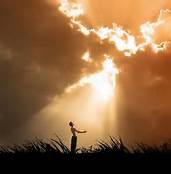
Imagine looking into a dark sky away from the city lights, a sky filled with stars. But they’re not covering the sky. Darkness is still there, still prevalent. But the stars peek through as if someone punched pinholes into the sky mass—just enough for the light to get through. And that is where we come in, we, the armor-wearing reflectors of the light of God shining into the world as we imagine God continuing to punch those pinholes into the darkness.
But if you remember your astronomy lessons, some of that light has taken hundreds of thousands of years to get to us. The Light has already shined into our midst. But sometimes it takes us awhile to see it. But it’s as near as what we see. Yes, waiting is about timing. We are waiting for us to catch up to the Light. So, this is the moment when we must awake from sleep and start looking toward the light. The Kingdom of God is coming to be. It is happening as fast we can see. So, open your eyes. It’s there.
Hope is being able to see that there is light despite all of the darkness. (Desmond Tutu)
Lyrics: “We Shall Be Free” (Garth Brooks)
This ain’t comin’ from no prophet Just an ordinary man When I close my eyes The way this world shall be When we all walk hand in hand
When the last child cries for a crust of bread When the last man dies for just words that he said When there’s shelter over the poorest head Then we shall be free, yeah
When the last thing we notice is the color of skin And the first thing we look for is the beauty within When the skies and the oceans are clean again Then we shall be free
We shall be free, we shall be free Stand straight and walk proud ‘Cause we shall be free
When we’re free to love anyone we choose When this world’s big enough for all different views When we all can worship from our own kind of pew Then we shall be free, yeah (oh, oh, oh)
We shall be free, we shall be free Have a little faith, hold out ‘Cause we shall be free
And when money talks for the very last time And nobody walks a step behind When there’s only one race And that’s mankind, then we shall be free
We shall be free, we shall be free Stand straight (walk proud) Have a little faith (hold out) We shall be free (oh, oh, oh) We shall be free, we shall be free (Stand straight) stand straight (Have a little faith) walk proud ‘Cause we shall be free (oh, oh, oh)
We shall be free, we shall be free Stand straight, walk proud ‘Cause we shall be free (oh, oh, oh) (We shall be free)
(part of the “Waiting on the World to Change” Advent Series)
Isaiah 2:1-5 (Advent 1A)
The word that Isaiah son of Amoz saw concerning Judah and Jerusalem. 2In days to come the mountain of the Lord’s house shall be established as the highest of the mountains, and shall be raised above the hills; all the nations shall stream to it. 3Many peoples shall come and say, “Come, let us go up to the mountain of the Lord, to the house of the God of Jacob; that he may teach us his ways and that we may walk in his paths.” For out of Zion shall go forth instruction, and the word of the Lord from Jerusalem. 4He shall judge between the nations, and shall arbitrate for many peoples; they shall beat their swords into plowshares, and their spears into pruning hooks; nation shall not lift up sword against nation, neither shall they learn war any more. 5O house of Jacob, come, let us walk in the light of the Lord!
Notice the tenses in today’s reading. The word “shall” is used (if I counted correctly) ten times. The prophet is giving us a vision of what is to come, something that is not here yet but something that we can expect. Expectations are important in this Waiting Season. If our waiting is not accompanied by expectations, then we’re really just sort of hanging around until whatever comes next. But that’s not what we’re called to do. We’re called to Holy Expectation, to envisioning what the world around could be. Because, you see, that’s the only way that it happens. God gave us a vision so that we could expect it and work toward it. God gave us a vision so that we could journey toward it all the while living as if it is already here.
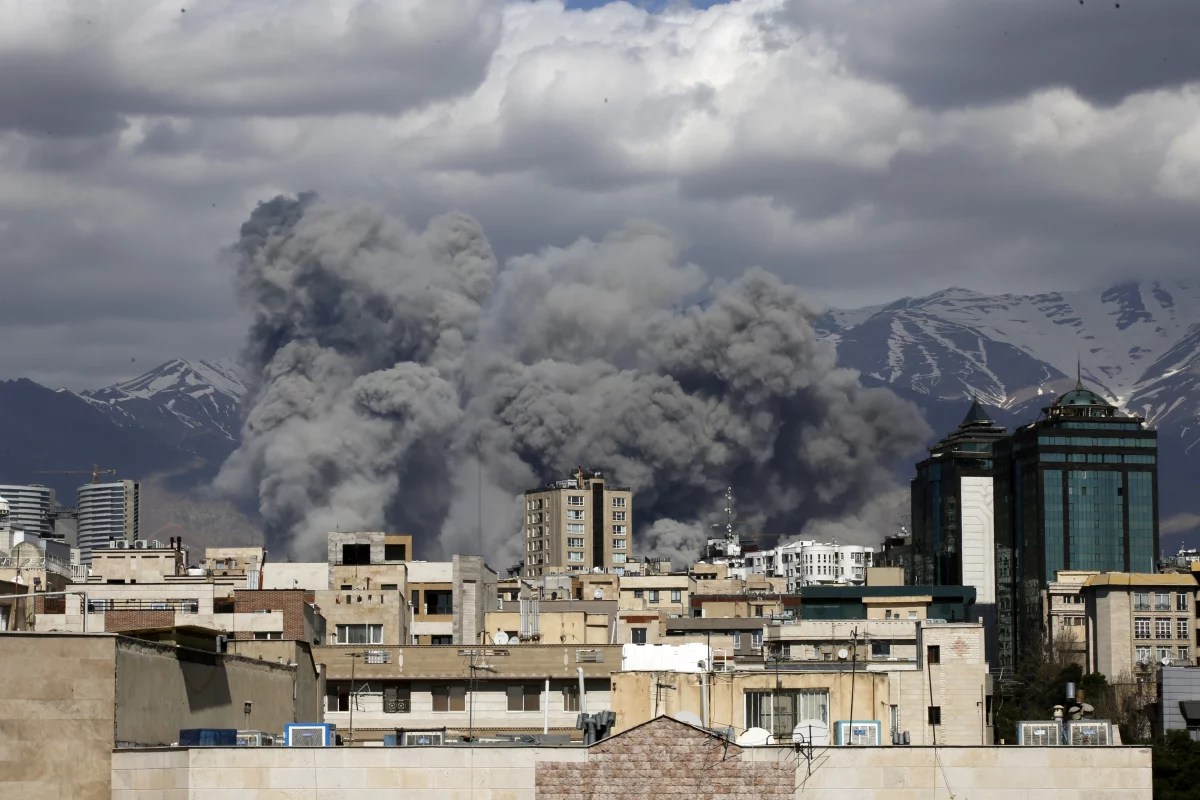
I know it’s hard. Our world is sometimes spinning so fast, throwing off things that we don’t even think we can survive. How can we live as if God’s vision is here? How can we expect that vision to survive what we’re going through now? I must honestly confess that I feel like we’ve gone backwards a bit, that we’ve lost some ground in realizing the Peaceable Kingdom. And it makes it really, really hard to live as if God’s vision is here. I see a rise in racism and xenophobia. I see an increased level of violence. And I see a society and a world that is in many ways closing its eyes to what is going on. We can’t do that. We have to envision that Peaceable Kingdom. We have to expect that change in the world around us. We have to believe it will happen—because that’s what our faith tells us.
Think about when this was written. The world was constantly at war. They were stupid wars over stupid things, arguments over who had what land and who had what resources. People did not trust each other. Societies and ethnicities pulled into themselves and began to shut out those who were different. They no longer trusted the “other”, the immigrant, those who were living in their midst because they had no place else to go. They fought against those who thought differently, who worshipped differently, who lived differently. Their first priority was themselves. Their first thought was those who were like them. Their vision of the world had shrunk to only what they could see, to only what made them comfortable.
And the prophet comes along and tells them to expect something different, to expect a world where wars subside and people come together. It was a Kingdom that was there for the taking, for the imagining. It was a Kingdom that we should dare to expect will happen. And then the prophet changes the tense of his writing. Expect it. And let us go—all of us, together—into the house of the Lord.
I salute you. I am your friend and my love for you goes deep. There is nothing I can give you which you have not got. But there is much, very much, that while I cannot give it, you can take. No heaven can come to us unless our hearts find rest in today. Take heaven! No peace lies in the future which is not hidden in this present little instance. Take peace! The gloom of the world is but a shadow. Behind it, yet within our reach, is joy. Take joy! Life is so full of meaning and purpose, so full of beauty . . . that you will find earth but cloaks your heaven. Courage then to claim it, that is all! . . . And so I greet you, with profound esteem and with the prayer that for you, now and forever, the day breaks and the shadows flee away. (From a letter by Fra Giovanni, 1513, as quoted in the introduction of “Take Joy”, by Tasha Tudor)
Lyrics: “Do No Harm” (Carrie Newcomer)
John Roth had a heart like flame He believed all souls were loved the same He packed up his hopes and his family and moved to Ohio
There in the deep dark wilderness With a newborn son he soon was blessed Raised him up in the ways of the old prophets Named him Isaiah Roth
Do no harm shed no blood the only law here is love We can call the kingdom down here on earth Beat your swords into plows don’t be afraid I’ll show you how Lift your eyes to the skies all is holy here
The forest people soon came near his message to the red children clear We can build the peaceable kingdom here in shadows of these trees
They planted oats and beans and maize They planted their hearts in the dirt of that place And they learned to speak of hope and grace In the language of John Roth
Do no harm shed no blood the only law here is love We can call the kingdom down here on earth Beat your swords into plows don’t be afraid I’ll show you how Lift your eyes to the skies all is holy here
When Isaiah Roth had just turned ten He was working up in the loft again He looked out and he saw eight white men Come riding up that day The men called out from the deepening glade Saying y’all come on out an we can trade?
The forest people walked out unafraid with smiles and open hands The white traders lifted up their guns And shot them down each and every one And the Eden that John Roth begun Lay bleeding on the ground
Do no harm shed no blood the only law here is love We can call the kingdom down here on earth Beat your swords into plows don’t be afraid I’ll show you how Lift your eyes to the skies all is holy here
Now the world has aged by fifty years The Quakers came and settled near Old Isaiah Roth still preaches here that the greatest law is love Now some people say it’s all a scam just the ravings of some old man But Isaiah Roth says he still can see Eden on the hill
Do no harm Shed no blood The only law here is love
36“But about that day and hour no one knows, neither the angels of heaven, nor the Son, but only the Father. 37For as the days of Noah were, so will be the coming of the Son of Man. 38For as in those days before the flood they were eating and drinking, marrying and giving in marriage, until the day Noah entered the ark, 39and they knew nothing until the flood came and swept them all away, so too will be the coming of the Son of Man. 40Then two will be in the field; one will be taken and one will be left. 41Two women will be grinding meal together; one will be taken and one will be left. 42Keep awake therefore, for you do not know on what day your Lord is coming. 43But understand this: if the owner of the house had known in what part of the night the thief was coming, he would have stayed awake and would not have let his house be broken into. 44Therefore you also must be ready, for the Son of Man is coming at an unexpected hour.
And, so, we begin again. Today is the first day of Advent and the first day of our Christian year. We’ve arrived back at the beginning. And, yes, I know sometimes it feels like we don’t really get anywhere but as we traverse through our faith journey season after season, there really ARE differences. Perhaps the light seems a bit brighter. Maybe we are catching on just a little bit more quickly. But, as the Scripture says, we STILL don’t know what will happen when. And that, my friends, is what faith is all about.
But this Scripture is always a weird start to the season for me. This can’t be right! What happened to Mary? Where are those angels announcing the coming birth? And why are we reading about Noah’s ark? That’s just odd. Come on, we need something joyful and festive to think about. After all, life is hard right now. Our world seems to have so many problems. It would be really, really great if some things would change. But why in the world are we beginning at what feels like the end of the story? We start there because, as we know, the end is always the beginning.
The reference to Noah reminds us that life goes on. Life is always going on. The seasons come and go and come again (and, yes, some are filled with wind and torrents and crowds). And, hopefully, somewhere in there, we become a little wiser and a little closer to God. Hopefully, we’ll be able to recognize the rainbow when it comes. But it calls for us to wake up a little and realize that we are even as we sit here being gathered into the arms of God.
Yes, there are those that would take this passage and understand it as predicting our being temporarily or permanently removed from this world. Some even will try to hold it over peoples’ heads as a way to scare people into believing. I don’t think that’s what it’s about, though. Faith is not about doing the right thing or living the right way or being scared into a place that does not feel welcoming and grace-filled. God doesn’t want us to come to faith kicking and screaming. God desires a relationship with us and wants us to desire a relationship with God. And God has enough faith in us to do that.
So, the writer of Matthew’s Gospel writes about this relationship. Those who are “taken” refers to being gathered into the Kingdom community at the end of what we know, just as some were gathered into the ark, redeemed in a way that they never thought possible. So, being a believer means to stay awake so that we will be a part of it even now, awake to the surprises that are to come. Because, imagine, what if the surprise turns out to be that Jesus was here all along, that ahead of time itself, he has been calling and gathering and enlightening and sanctifying all along? What if we really ARE called to be the hands of Christ? What if rather than waiting on the world to change, we are called to make those changes, to BE those changes? What if rather than dozing off or lulling ourselves into a sort of sleepwalking life as we tend to do, we have been called to be awake to everything that God continues to do? So, are you awake?
So, Advent arrives, abruptly disrupting our comfortable lives. And we are called to wake up to God breaking through the darkness into our lives—2,000 years ago, in the promised future, and even today if we will only awaken to the dawn. Ralph Waldo Emerson once said that “people only see what they are prepared to see.” So, now is the time to prepare.
The curtain on the Advent is now rising. Jesus is not waiting in the wings somewhere until the play is done; rather, Jesus is standing on the stage itself, inviting us in. “Come, awaken, wait with me. You do not know when the Glory will come but this waiting is a holy place. Stay awake so that you won’t miss the inbreaking of the Divine itself, the dawn of the fullness of the Kingdom of God.” The reason that we begin at the end is because it is the same as the beginning. God is the Alpha and the Omega. Birth and death are all wrapped up together, needing each other to give life. Awaken now so that you do not miss one thing. Open your eyes. The baby is coming! The extraordinary miracle of what is about to happen is matched only by the moment before it does—this moment, this time. The world awaits! Awaken that you do not miss the story! Yes, I know you’re waiting on the world to change. So, what are you going to do?
You have been telling people that this is the Eleventh Hour, now you must go back and tell the people that this is the Hour. And there are things to be considered…Where are you living? What are you doing? What are your relationships? Are you in right relation? Where is your water? Know your garden. It is time to speak your truth. Create your community. Be good to each other. And do not look outside yourself for your leader…We are the ones we’ve been waiting for. (Hopi Elders)
Lyrics: “Somewhere to Begin”
People say to me, “Oh, you gotta be crazy! How can you sing in times like these? Don’t you read the news? Don’t you know the score? How can you sing when so many others grieve?” People say to me, “What kind of fool believes That a song will make a difference in the end?”
By way of a reply, I say a fool such as I Who sees a song as somewhere to begin A song is somewhere to begin The search for something worth believing in If changes are to come there are things that must be done And a song is somewhere to begin
35Jesus said to them, “I am the bread of life. Whoever comes to me will never be hungry, and whoever believes in me will never be thirsty.
41Then the Jews began to complain about him because he said, “I am the bread that came down from heaven.” 42They were saying, “Is not this Jesus, the son of Joseph, whose father and mother we know? How can he now say, ‘I have come down from heaven’?” 43Jesus answered them, “Do not complain among yourselves. 44No one can come to me unless drawn by the Father who sent me; and I will raise that person up on the last day. 45It is written in the prophets, ‘And they shall all be taught by God.’ Everyone who has heard and learned from the Father comes to me. 46Not that anyone has seen the Father except the one who is from God; he has seen the Father. 47Very truly, I tell you, whoever believes has eternal life. 48I am the bread of life. 49Your ancestors ate the manna in the wilderness, and they died. 50This is the bread that comes down from heaven, so that one may eat of it and not die. 51I am the living bread that came down from heaven. Whoever eats of this bread will live forever; and the bread that I will give for the life of the world is my flesh.”
Once a year my rather large extended family holds our annual Family Reunion and for more years than I can even remember, there has always been a story contest. But in recent years, the stories began to get a little bit raunchier and a whole lot stupider. So, a few years ago, when the year came for my branch of the family to be in charge of the reunion, we came up with something new. Rather than trying to top each other with the raunchiest and most outlandish stories, we decided to tell stories about the past. You see, in those years, we had lost most of those that were two generations ahead of me, those that could remember another time, those that knew the stories and even the members of our family that were part of settling the town of Katy and part of creating the foundations of what would become this rather large, diverse, chaotic and storied family.
We heard stories of learning to swim in rice wells, of my father’s generation growing up within a couple of miles and sometimes a couple of feet of nineteen first cousins, and of my great uncle handing out treasured silk stockings behind his grocery store during the rationing of World War II. You see, most of us had never heard many of these stories. I remember my great-grandmother’s large Victorian house in downtown Katy when it was next to the Methodist church but I don’t remember it when it had a chicken coop with fresh eggs or a cow grazing next to the sanctuary. By the time I came along, the upstairs had long been closed off and my brother and I used to beg my grandmother to take us into the un-air conditioned upstairs when we visited there. The house now sits in an historic park in old town Katy.
You see, all of this is part of us. It is part of who we are as a family and who we are as individuals. And even though they are not our experiences, they are indeed our memories. We recollect them and make them part of our lives and part of who we are. It’s called anamnesis, [Greek for] remembering. But we don’t have a good translation of that. It’s more than that, more than merely remembering something that happened to you, but rather recollecting something that made you who you are, acknowledging our connective past and our mutually-embraced future. We do it every time we participate in the Eucharist. We do this in remembrance. The past becomes our present. The two are so intertwined that they cannot be disconnected.
But the future is no different. It is not out there, removed, sitting and waiting for us to pursue it. It is already part of us. The past and the present and the future cannot really be separated. Revelation is ongoing. One thing builds on another. Life is not a straight road, but rather a multi-dimensional pathway taking all that it encounters unto itself.
I think that’s what Jesus was trying to get across. But, not unlike us, those first century hearers just didn’t get it. After all, they had God all figured out—what God expected, what God promised, what God wanted (and, in particular, what one had to do or be to be accepted by this God). This was a God that would supply their needs and someday reward them with the promise of life. And, on some level, this was a God that was removed from them, “out there”, waiting for them to do the right thing or worship the right way. This God was holy and sacred, but almost untouchable.
And yet, here was Jesus, speaking things that did not make sense, things that did not fit with the idea of God that they held. Here he was, this son of Joseph, the lowly carpenter, the one who they had known as a child, the one that they had seen playing with the other kids in Nazareth, perhaps getting in trouble when he didn’t come in for dinner when Mary called him, and the one sitting at the feet of the Rabbi’s listening to stories, now spouting utter nonsense. In fact, refresh my memory—wasn’t he the one that got lost in Jerusalem when he was about twelve or thirteen and worried his parents so much? And now here he is, claiming to be the bread of life, claiming to be capable of showing us the pathway to eternal life. Who did he think he was? This was blasphemous. This was wrong. And they became angry. After all, he was one of us and how could one of us dare to know God, dare to approach this somewhat unapproachable God of theirs, the one whose name could not be uttered?
The truth was that they had limited their idea of God. They had made God manageable, pulling this image of God into something that only they had experienced, affirming how they lived their lives, how they worshipped, what they believed. Righteousness and living rightly was what was expected. Righteousness, in their minds, is what would bring them to God. And heaven? Heaven was out there somewhere, waiting. Heaven would come later.
But these words of Jesus did not reflect that at all. “I am…” It’s present tense. It’s not talking about a God of their experience or a God of their ancestors. And it doesn’t depict a God out there in the future, still waiting to be claimed. Jesus’ words shook them to their core. “I am the bread of life.” No longer are we talking about rules or rewards or even righteousness. God is here; God is now, drawing us in, into a story that has been in place long before us and that will continue beyond what we know. But we are still called to remember it.
The word that is translated here as “drawn” can also be translated as “dragged”. That’s a little more intense, this idea of God dragging us toward the Divine, somehow compelling us to become that very image of God that we were created to be. It is an image of a God that rather than watching us from afar and judging what we’re doing, is here with us, working with us, drawing us or dragging us into the story. It is the very image of heaven spilling into the earth, into our lives.
Now for a little high school English refresher: Life is not limited to past and present and future. Do you remember those pesky perfect tenses? In English, the word “perfect” literally means “made complete” or “completely done.” (Interestingly enough, that’s close to what it meant for John Wesley when he talked about going on to perfection, going on to completion, not necessarily unblemished but the way it was meant to be.) So, future perfect tense is completed with respect to the future, like the phrases “I will have seen it,” or “I will have known it.” But it refers to something that has already happened. Our faith is the same way. Eternity is not something that will happen to us someday; rather, we are living it now. Its COMPLETION will come in the future.
Edna St. Vincent Millay once said that “[Humanity] has not invented God but rather developed a faith to meet a God already there.” Look around. God is here. The Divine is always pouring into our lives. “I am the bread of life.”; “I am the bread.”; “I am.”
You see, we cannot limit ourselves to only the part of the story that we know. There is so much out there that God is offering. We are in this very Presence of God swept into the past, the present, and the future. But it’s all right here, already a part of us. I think that’s the reason that Jesus used the notion of bread. So, why bread? Why not potatoes? Or blueberries? Or filet mignon? I mean, bread is a ridiculously common food. Breadmaking has happened throughout the world for probably as long as humans have been around. In fact, there is evidence from 30,000 years ago in Europe and Australia that revealed a starchy residue on flat rocks used for pounding plants. It is possible that certain starchy plants, such as cattails and ferns and maybe even mosses, was spread on the rock, placed on a fire and cooked into a sort of flatbread. Bread is a part of our life. It always had been. There’s nothing out of this world about it—a little flour, a little salt, a little water, sometimes a little yeast—the land, the sea, the air, and even some fungal microorganisms. So why use something so ordinary, so organic? Because it’s here. Because it’s part of our lives. Because it’s accessible. It’s all here, right under our noses; And eternity is the same. Here, now…right now…not something beyond this world or up ahead, but here…no waiting, no wondering, just something that requires that we step out of where we are.
In the 19th century, Soren Kierkegaard once told a parable of a community of ducks waddling off to duck church to hear the duck preacher. The duck preacher spoke eloquently of how God had given the ducks wings with which to fly. With these wings, there was nowhere the ducks could not go. With those wings, they could soar. Shouts of “Amen!” were quacked throughout the whole duck congregation. At the conclusion of the service, the ducks left, commenting on the message, and waddled back home. But they never flew.
We need to learn to fly. Patrick Overton once said, “when you have come to the edge of all you know and you are about to drop off into the unknown, faith is knowing one of two things will happen: There will be something solid to stand on or you will be taught how to fly.” Eat this bread. Eat it now. Immerse yourself in the life that God is offering you. You will be amazed at what will happen if you only let God draw you or drag you or in whatever way it takes to compel you into life. Eat this bread. Jesus said “I am the bread of life. Whoever comes to me will never be hungry, and whoever believes in me will never be thirsty.” Eat this bread. It is here; it is now.
Begin where you are…Live this present moment, this present hour…keep up a silent prayer, “Open Thou my life. Guide my thoughts…Thy will be done.” Walk on the streets and chat with your friends. But every moment behind the scenes be in prayer…internal continuous prayer. (Thomas R. Kelly)
24So when the crowd saw that neither Jesus nor his disciples were there, they themselves got into the boats and went to Capernaum looking for Jesus. 25When they found him on the other side of the sea, they said to him, “Rabbi, when did you come here?” 26Jesus answered them, “Very truly, I tell you, you are looking for me, not because you saw signs, but because you ate your fill of the loaves. 27Do not work for the food that perishes, but for the food that endures for eternal life, which the Son of Man will give you. For it is on him that God the Father has set his seal.”
28Then they said to him, “What must we do to perform the works of God?” 29Jesus answered them, “This is the work of God, that you believe in him whom he has sent.” 30So they said to him, “What sign are you going to give us then, so that we may see it and believe you? What work are you performing? 31Our ancestors ate the manna in the wilderness; as it is written, ‘He gave them bread from heaven to eat.’” 32Then Jesus said to them, “Very truly, I tell you, it was not Moses who gave you the bread from heaven, but it is my Father who gives you the true bread from heaven. 33For the bread of God is that which comes down from heaven and gives life to the world.” 34They said to him, “Sir, give us this bread always.” 35Jesus said to them, “I am the bread of life. Whoever comes to me will never be hungry, and whoever believes in me will never be thirsty.
So in August of Year B of the lectionary (as in this year), we talk about a lot of bread. In fact, we end up with four weeks of bread, manna, and Parker House rolls (kidding, not those!). What is that about? Well, bread is sustenance; bread is comfort; bread is an ordinary thing, something that most of us eat every day in some form. Now Jesus says, “I am the bread of life.” Bread is what we need.
“The Body of Christ given for you.” You probably hear it at least once a month, maybe more. What does that mean? What does it mean for the Body of Christ to be given for you? When you go up to the altar rail and you are handed that piece of essentially ordinary bread and you hear those words, what does that mean? Part of it is a reminder of Jesus’ death, the body—the literal body—that was given out of love for us. But if that’s all it was, this meal would only be a symbolic remembrance of that. There’s more. Isn’t that just like Jesus? There’s ALWAYS more. You see, that holy meal is not just so we can remember that Jesus died for us; I think it’s really about remembering that Jesus lived for us. Jesus became us. Jesus walked this earth as one of us. Jesus died as one of us. Jesus, God Incarnate, became one of us and when this very earthly Jesus was gone, we were left with the Spirit of God surrounding and flooding in to every aspect of our lives. We were left with this–the Body of Christ. The Body of Christ given for you. So now what?
The Gospel passage for this week follows up to last week’s passage about the Feeding of the 5,000 (or more…there’s ALWAYS more.) It’s a little funny. It’s like these people are chasing Jesus throughout this lakeside region, almost stalking him. They wanted more. But Jesus was no dummy. He essentially tells them, “Look, you’re not looking for me because you understood what I said and want to give your life to me and follow the Way; you’re looking for me because you want your needs met. You want me to give you more food or more stuff or more guarantees of safety and security or more of what you desire. You don’t really want to change; you just want to be filled up.” Instead, Jesus offers himself. He offers himself as the bread of life. Whoever comes to me will never be hungry, and whoever believes in me will never be thirsty. So, is this about bread, or isn’t it? Is it about literal, material bread that fills our stomachs and provides sustenance for life? Or is it about being filled spiritually, having one’s soul filled with all this is God? Yes…both of those. Jesus is talking about both of those.
Jesus is trying to connect physical hunger and spiritual hunger. The two cannot be separated. It is the Word made flesh and the ordinary made Holy. After all, what good is food that fills our stomachs if we are spiritually hungry? And, yet, what does it say about God’s Presence if one is so hungry that he or she cannot see past that? Mahatma Gandhi once said that “there are people in the world so hungry, that God cannot appear to them except in the form of bread.” It is true. The two cannot be separated. Jesus knew that. So, Jesus offered food for the hungry—in every way. (That’s the reason he just came out of figuring out lunch for more than 5,000 people!) The Body of Christ given for you. But beyond just offering bread, Jesus became bread, became that sustenance that fills our lives in every way. Jesus, God Incarnate, was God, was the life-giving bread that our bodies and our souls so crave. Jesus gave us himself. Jesus gave us the very Body of Christ.
So here we are, the Body of Christ, each of us called to become the very incarnation of God in our midst, each of us called to become bread, living bread that is offered to others, each of us called to become the very real presence of Christ in the world, each of us called to now be the Word made flesh. That’s right, WE are called to be that. We come to the table every month, sometimes more. We come with thanksgiving for what Jesus gave us. We come to remember Jesus’ life, death, and resurrection. But we also come because at that table, in that place, somehow ordinary bread and ordinary wine (or grape juice, in the case of us United Methodists!) becomes something that sustains us forever, something that means we will never hunger or thirst again. And that ordinary table becomes a great banquet to which everyone is invited. And we, ordinary people with ordinary gifts somehow, some way, somehow become the Body of Christ.
I want to ask you…How many of you like flour—just flour, nothing else? How about shortening? Maybe, some raw eggs? OK, how many of you go for your daily treat of baking soda? See, none of those by themselves make a whole lot of sense. But all of them, along with some sugar, some bananas, and some pecans, make my grandmother’s banana bread. You see, you take these ordinary things and put them together and they become incredible. We are no different. Ordinary people, ordinary gifts, and you take them and put them together and somehow, some way, they become the Body of Christ. Woodrow Wilson once said of our country: “America is nothing if it consists merely of each of us; it is something only if it consists of all of us.” It’s the same with the Body of Christ. We are not a group of individuals clustered together into a church; we are the Body of Christ—each of us and all of us, together. Oh, individually, we are important, we are loved. God created us. But together, oh, together, we’re the very Body of Christ. Together, we’re extraordinary!
You know, those people came back, wanting more from Jesus. What they didn’t understand was that there was always more. In the 4th century, St. Augustine said that our souls are restless until they find their rest in God. We will always hunger, we will always thirst, until we figure out that it is this—this table, these people, this banquet, this Body of Christ–that sustains us. The Body of Christ given for you. And then God gives all of us gifts to become bread, to become wine, to become the Body of Christ for the world.
Years ago, I was at a church where I was one of six or so clergy, so we weren’t always in each worship service. One Communion Sunday, I was not in the middle and the last services. I was going to get things done. But I kept getting pulled away, needing to go across the Plaza to the other building. At one point, crossing the Plaza, I glanced out onto the street. It was a little street called Fannin in downtown Houston and there was an older man who was trying very painstakingly to cross four lanes of museum district traffic with a walker and only his daughter supporting him. The traffic was whizzing by and it was not good.
I grabbed the crossing guard that we had and made him stop the traffic and went out and helped him across. It took a really long time and by the time he got across, he was exhausted (and there were four lanes of traffic that were very irritated with me). I asked the guard to go get a chair and we sat him down right there on the curb of Fannin underneath one of the sprawling Oaks with cars speeding by. His daughter didn’t know what to do.
I started talking to him and he told me that he just wanted to come for Communion. He was on his way to be checked into the hospital and he just wanted Communion. He didn’t belong to our church; I had never met him. But he needed more. He said that he didn’t think he had the energy, though, to walk all the way into the sanctuary. I told him that I was one of the pastors. I told him to stay there, sitting on this chair on the curb under the Oak tree with cars whizzing by and I would make this happen.
I ran into the sanctuary just as they were serving Communion. Now, for those of you that are not familiar with St. Paul’s, it is very high church, very proper. Everything is done right. The worship is stupendous. But I leaned over the Communion rail to one of the other pastors. “Terry, I need two to go. I’ll explain later.”
So, with bread and cups, I went outside and served the man and his daughter. They were both crying. They got it. I’m sad to say that that man went into the hospital and passed away a week later. That would be the last time that he took Communion. But on that street corner, under the Oak tree, with cars whizzing by, was the Body of Christ. The ordinary not only becomes holy; the two become unable to be separated. That IS the Body of Christ.
So, when we come to that table, ordinary and gifted as we are, we receive the bread and receive the cup, and our hunger and our thirst will subside, and somehow, some way, the very real presence of Christ will be there, the living bread, the eternal cup. And through the Mystery of God, even we, each of us, will become the Body of Christ. And then we will go into the world and be the Body of Christ for others. (And you just thought it was a bite of bread and grape juice!)
Eat this bread. Drink this cup. Come to me and never be hungry. Trust in me and you will not thirst. The Body of Christ given for you. Amen.
We are not human beings having a spiritual experience. We are spiritual beings having a human experience. (Pierre Teilhard de Chardin)
After this Jesus went to the other side of the Sea of Galilee, also called the Sea of Tiberias. 2A large crowd kept following him, because they saw the signs that he was doing for the sick. 3Jesus went up the mountain and sat down there with his disciples. 4Now the Passover, the festival of the Jews, was near. 5When he looked up and saw a large crowd coming toward him, Jesus said to Philip, “Where are we to buy bread for these people to eat?” 6He said this to test him, for he himself knew what he was going to do. 7Philip answered him, “Six months’ wages would not buy enough bread for each of them to get a little.” 8One of his disciples, Andrew, Simon Peter’s brother, said to him, 9“There is a boy here who has five barley loaves and two fish. But what are they among so many people?” 10Jesus said, “Make the people sit down.” Now there was a great deal of grass in the place; so they sat down, about five thousand in all. 11Then Jesus took the loaves, and when he had given thanks, he distributed them to those who were seated; so also the fish, as much as they wanted. 12When they were satisfied, he told his disciples, “Gather up the fragments left over, so that nothing may be lost.” 13So they gathered them up, and from the fragments of the five barley loaves, left by those who had eaten, they filled twelve baskets. 14When the people saw the sign that he had done, they began to say, “This is indeed the prophet who is to come into the world.”
15When Jesus realized that they were about to come and take him by force to make him king, he withdrew again to the mountain by himself. 16When evening came, his disciples went down to the sea, 17got into a boat, and started across the sea to Capernaum. It was now dark, and Jesus had not yet come to them. 18The sea became rough because a strong wind was blowing. 19When they had rowed about three or four miles, they saw Jesus walking on the sea and coming near the boat, and they were terrified. 20But he said to them, “It is I; do not be afraid.” 21Then they wanted to take him into the boat, and immediately the boat reached the land toward which they were going.
It was early in the morning and the sun had just begun to peak through the window above where he slept. He really hadn’t gotten that much sleep. The excitement and expectation was just too overwhelming. It hadn’t been until right before he had gone to bed that his parents had finally given him permission to go. He had been begging them for days. He didn’t think his father really understood. That seemed odd to him, given the fact that his father was so involved and so well-respected at the temple. After all, his father went to the temple every day and was close to God. That’s really what he wanted. He wanted to be close to God, to feel God, to know God. And all the townspeople had been talking about this man who was so close to God, who could show you how to be close to God. He wanted to hear him.
So, he sprang out of bed and hurriedly put on his clothes. He didn’t want to be late. He wanted to get a good seat near the upper part of the hill so that he could hear. He wanted to be near this man they called Jesus. Just as he was running through the house, his mother called him back. He rolled his eyes. He did NOT want to be late. He turned around. His mother was standing there with a basket covered with a cloth. She had packed him a lunch. He didn’t really feel that he needed a lunch. He just wanted to hear what Jesus was going to say. But he would humor her. Maybe a lunch would be a good thing. He took the lunch and returned her hug. And then as he stepped out of the doorway and began to walk toward the lakeside beach, he glanced in the basket. Hmm…five loaves and two fishes…that would be good…it was just enough for him. It was all he would need.
When he got to the beach, there were already people gathering. He thought he saw someone that could be this man Jesus through the crowd. And then the crowd started moving, away from the beach and up the mountain side. He could feel the cool air coming off of the lake as they went up the mountain. It felt good. Near the top of the mountain, Jesus sat down on a rock and his disciples sat down around him. The small boy pushed through the crowd and positioned himself on a rock. What a great spot! He could see Jesus. He could hear Jesus. He was going to find out how to be close to God! He was with Jesus!
This is, of course, a familiar Scripture to us. Many of us have read it since our childhood. We have seen paintings and stained glass and countless other renditions that depict this story. It is an amazing story to us, probably one of our favorites. Apparently, this story was liked by everyone when it was first told, also. Because it is not told just once, not twice, not just three times; rather, this story is the only gospel miracle that is told in its fullness in all four renditions of the Gospel. Apparently, this is a story to which we need to pay attention. Because not only is it a story about Jesus; it is the story of a crowd. It is a story of us. We are the ones sitting on the grass, witnessing these signs, and receiving food from Jesus.
But what we end up concentrating on is the miracle that Jesus obviously did, taking a small amount of food and feeding an entire mountain of people. But somewhere along the way, we forget that Jesus did not make something out of nothing. This was not a magic trick. We forget about the small boy, unnoticed, uncounted (remember that the 5,000 would have just been the men!), a small boy who just wanted to get closer to God.
Think back—barley loaves and fish—the cheaper food for the poor. Barley was very inexpensive and for these communities surrounding the Lake of Galilee, fish would have been plentiful. This was all the boy had. It might have been a real sacrifice for his mother to pack that lunch at all. But soon after they reach the far side of the lake, he sees the disciples moving through the crowd. They seemed to be looking for something. And then he heard one of them ask someone if they knew of anyone in the crowd who had some food. The little boy looked up. “Oh”, he said, standing and running toward the disciple, “I do. I have brought food. Take it. Take my food. I want Jesus to have what I have brought.” The boy had been right. It was just enough.
Now at the risk of destroying your view of this story, notice that it doesn’t say that the boy’s lunch was the ONLY food. It doesn’t say that the rest of the crowd did not have lunch. Commentators have suggested that maybe some people in the crowd had things tucked away, holding it back to make sure that they had enough. After all, do you really think more than 5,000 people would travel on foot and show up for a day-long extravaganza with no food? Perhaps, then the miracle lies in the fact that the young boy was the first. He was the first to offer his food, the first to offer all he had, the first to demonstrate an understanding of the abundance that God’s offers. The fact that everyone eventually ended up with food may mean, in fact, that his generosity and openness to giving inspired others to do the same. Generosity and caring about others became contagious. It moved through the crowd. You’ve experienced that, experienced those times when the spirit of generosity is pervasive. And that IS a miracle. Jesus WAS the one who performed that miracle.
I want to be like that little boy. I want to, without reservation, willingly and joyfully offer what I have to Christ. I want to bring what I have to the table of life that all might be able to share in it. But I am like many on that hill that day and probably many of you. I hold back, afraid that there will not be enough and offer only what I think I can do without—my spare time, my spare change, even my spare thoughts. We are taught by our society to live our lives with an assumption of scarcity, assuming that there will not be enough when it is all said and done and so we hold back, rationalizing our reserves and hoarding our gifts that God has so generously shared with us. We give in to the fear of not having enough.
But that little boy looked at Jesus and saw abundance, rather than scarcity. His faith gave him the ability to see that God had provided for him and would continue to do so and so he offered what he had with joy and extravagant generosity. Oh, I want to be like that little boy.
When you get to the end of this familiar Gospel story, Jesus leaves the stage. He withdraws once again to the mountain alone. And the crowd and we are left behind. And as the sun sets on the scene, there is an empowering absence that descends upon us, a spirit of extravagant generosity and radical hospitality. Can you feel it, that almost palpable spirit moving through the crowd? Jesus has shown us what to do and now it is ours to actually do. Meeting Jesus means that we have said we are willing to let our lives be changed. Jesus did not come to us just to be a miracle-worker. Jesus is not a vending machine-like character that gives us everything we think we need. Jesus came, rather, to initiate the building of the Kingdom of God and calls us to follow.
And, as if that weren’t enough, there were leftovers! So, Jesus tells the disciples to gather up all these fragments and save them. Nothing is wasted. Nothing is discarded. Every morsel is important. Every morsel is part of this ongoing banquet. Jesus is always preparing for the next crowd that might need something. The story ends with Jesus still meeting the needs of each and every one, even those that might show up a little late, even those that are yet to come. The story is right—this WAS a miracle!
If you can’t feed a hundred people, then just feed one. (Mother Teresa)
30The apostles gathered around Jesus, and told him all that they had done and taught. 31He said to them, “Come away to a deserted place all by yourselves and rest a while.” For many were coming and going, and they had no leisure even to eat. 32And they went away in the boat to a deserted place by themselves. 33Now many saw them going and recognized them, and they hurried there on foot from all the towns and arrived ahead of them. 34As he went ashore, he saw a great crowd; and he had compassion for them, because they were like sheep without a shepherd; and he began to teach them many things.
53When they had crossed over, they came to land at Gennesaret and moored the boat. 54When they got out of the boat, people at once recognized him, 55and rushed about that whole region and began to bring the sick on mats to wherever they heard he was. 56And wherever he went, into villages or cities or farms, they laid the sick in the marketplaces, and begged him that they might touch even the fringe of his cloak; and all who touched it were healed.
You know, sometimes discipleship is just downright exhausting. Oh, who are we kidding? Sometimes just being a normal person trying to keep your head above water is downright exhausting. Sometimes it seems too hard or too much or too complicated. Discipleship (and life, for that matter) is really sort of a balancing act. It is full of rhythms of converging order and chaos, beginnings and ending, and pulsing light and dark and sometimes we struggle to somehow balance all those aspects of life as we continue our journey forward.
This passage depicts a time in the life of the disciples not unlike that. Remember that the verses preceding the ones we read are the account of the death of John the Baptist (Why did we read that again?). And at this point, we are told that the apostles return from sort of their first tour of service and gather around Jesus, telling him everything that had been happening with their mission. They are excited. They have wonderful stories of healings and teachings and people that are really listening to them. They are becoming witnesses of the Gospel and things are beginning to change! And yet, they are realizing that this discipleship thing is hard; it’s exhausting; sometimes it’s just frustrating. And during this time, John the Baptist had been brutally executed. This is certain to have cast a somber shadow over their elation at the success of their mission. This had to be scary. After all, John had been part of Jesus’ work. John had, essentially, been one of them, doing what they’re doing. But, as we know, we cannot always control or predict what happens in life. And so, in the midst of their shock and sadness and grief, and probably fear, Jesus tells the apostles (and himself), to “come away and rest”. He tells them to go to a deserted place, a quiet place. It was a place of Sabbath.
Now, probably with very little effort, we, too, will identify with this busy life, the throng of demands, the ongoing needs of those around us, and, possibly, even with the dangers that somehow impede our journeys. We can even identify with those times when, like these disciples, we feel that we can’t even take time to eat, those times when there’s so much going on, when there are so many balls being juggled, that you feel like you can’t even breathe. You’ll notice here that there were verses that we skipped in this week’s prescribed lectionary passage. They are the account of the feeding of the five thousand. Yeah, I’m thinking that wasn’t a time of rest, that was NOT a deserted place. As much as the disciples wanted to serve, wanted to BE disciples, that was hard. You can imagine that they wanted so badly to go off and rest, to go off and be by themselves to grieve, to reflect, to be. So, Jesus tells them to stop, desist, take some time to care for themselves, and not to feel that they have to immediately respond to every cry in the world. Yeah, Jesus got it! Jesus knew we were human.
It is a lesson for us all. It is part of the lesson that Jesus is trying to make the disciples realize. They are not God; they are not the saviors of the world; they are limited human beings who need to rest. They are not called to do all the work themselves. Remember, they are the ones that are called to call others who call others who call others. We are not in this alone. This is part of human reality and, more importantly, it is part of that rhythmic dance of creation to which we all belong. And so, the disciples did what Jesus had said to do and got into a boat and went to a deserted place.
But, as we all know, just because we choose a time to sail away does not mean that the rhythm of life stops. We are told that there were people on the shore who recognized them and hurried to greet them. (Don’t you hate that? Leave me alone!) But these people needed something—they were hungry for what Jesus offered. Jesus responded to their needs, teaching and caring for them. The disciples were there too, perhaps a little miffed that their “deserted place” had now become a somewhat public arena. In the verses that the lectionary omits, they wanted to send them away. This was their time; this was when they were supposed to rest. But Jesus told them, “no, give them something to eat, sustenance for their bodies and food for their souls.” So, in a way that is so familiar to us, he took the food, and blessed it and gave it to the disciples to serve the people around them. Rest would come.
In her book, Sabbath Keeping, Donna Schaper says that “Sabbath is a way of living, not a thing to have or a list to complete. By observing it we become people who both work and rest, and who know why, when, and how we do either. We also recognize the occasions on which we do both at the same time. We know how to pray, how to be still, how to do nothing. Sabbath people know that “our” time is really God’s time, and we are invited to live in it. We are living our eternity now—this Tuesday and Wednesday, this Saturday and Sunday.” Isn’t that what we are trying to do—find that rhythm of life to which God invites us, that balancing act, if you will, that is God’s call to us? This is the way that our time and God’s time converge and become one. This is the way that our hearts beat the heartbeat of God and our ears hear God’s music.
The Jewish culture in which Jesus and the disciples lived was one that embraced time much more than space. The understanding was that, contrary to the way we look at time, all hours were not alike. Each hour was unique and the only one given at that moment. Each hour held its own identity and its own purpose and within all of those hours, the Sabbath, those times when God calls us to rest and renew and return to our deepest relationship with God, were like great cathedrals, the Holiest of Holies, that sanctified time from which God then sent us into the world.
But we have lost that rhythm of being sent out into the world and renewed within God’s sanctified time, as God’s work prepares us to be sent forth again. We are so busy doing our own work that we’re not allowing God to do God’s work on us. It is wrapped in this holy time of rest with God that we get this glimpse of the holy and the sacred that exists for us even now. It is what gives us the vision to do the work that needs to be done. It allows us a chance to once again get in touch with God’s purposes for us and for the world. It is a way of emptying ourselves. Mother Teresa once proclaimed, “Let us remain as empty as possible so that God can fill us up.” This is the way that God fills us up. It is the way of becoming Sabbath, the Holiest of Holies, consecrated for God. It is part of being a disciple.
This idea of the Sabbath being holy is not new. In fact, ancient Judaism saw Sabbath rest and eternity as one, of the same essence. Abraham Heschel relates a legend that claims that “at the time when God was giving the Torah to Israel, [God] said to them: My children! If you accept the Torah and observe my commandment, I will give you for all eternity a thing most precious that I have in my possession. And what, asked Israel, is that precious thing which Thou wilt give us if we obey Thy Torah? The world to come. Show us in this world an example of the world to come. The Sabbath is an example of the world to come…The Sabbath possesses a holiness like that of the world to come.”
I know. Sabbath is hard. There is just too much to do. There are just so many hours in the day. There are too many people depending on me. If I don’t do it, it won’t happen. Are any of these resonating with any of you? John Westerhoff, who is a well-known theologian, calls the phrase “if I don’t do it, it won’t happen” a proclamation of atheism. Wow! None of us are in this alone. If you don’t do it, either someone else will or it just wasn’t meant to happen. If you believe in the God who is always with you, always holding you, always guiding you; if you believe in the God who created you and loves you so much that this God would give you this gift of Sabbath to make you aware of that, if you believe in the God who calls us into this household of believers where we support each other into becoming the Body of Christ, then why don’t you believe that God will somehow empower you to find a way to get everything done that needs done? Go back and read the Gospel passage again. There was work to be done—LOTS of work to be done–and the disciples waited in the boat. “Come away and rest.”
In 1951, Rabbi Abraham Heschel wrote what I think is the quintessential classic entitled The Sabbath. In it, Heschel says that “unless one learns how to relish the taste of Sabbath while still in this world, unless one is initiated in the appreciation of eternal life, one will be unable to enjoy the taste of eternity in the world to come. Sad,” he says, “is the lot of the one who arrives inexperienced and when led to heaven has no power to perceive the beauty of the Sabbath…”
The traditional Jewish Sabbath begins at sundown, the Christian Sabbath with morning worship. In both, Sabbath time begins with the lighting of candles and a stopping—to welcome the Sabbath in. The Jewish understanding is that the Sabbath is welcomed in like a queen. It is more than rest; it is promise. It is a release from whatever enslaves us. For the early Jews, that was actually embodied slavery; for us, it is choosing to be released from clocks and commitments and phones and schedules and all those burdens that we bear. Marcia Falk writes that “three generations back my family had only to light a candle and the world parted. Today, Friday afternoon, I disconnect clocks and phones. When night fills my house with passages, I begin saving my life.” This is the beginning of sacred time. This is the beginning of eternity. This is where we find life.
Sabbath is not rest the way we think. Sabbath is connection. Sabbath is responding to God’s invitation to enter the holiest of holies, to leave ourselves behind, if only for a day, and find ourselves. Sabbath is not a nap, not a withdrawal. Sabbath is rest in the God we know, the God who is wanting us to connect, wanting us to find ourselves.
Every person needs to take one day away. A day in which one consciously separates the past from the future…A day in which no problems are confronted, no solutions searched for. (Maya Angelou)