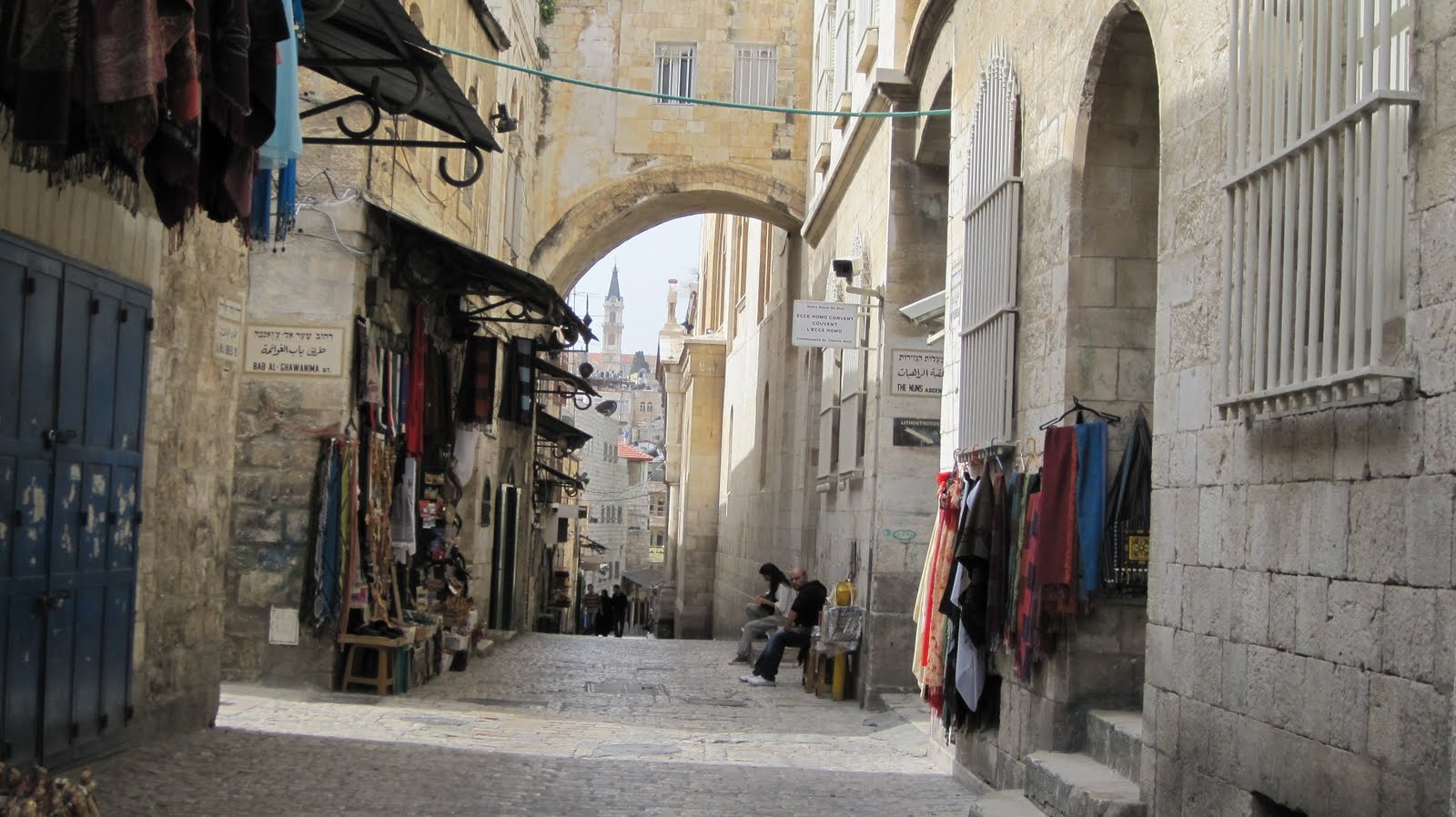
STATION I: Jesus is Condemned to Death

Before the station, pray: I adore you, O Christ, and I bless you, because by your holy cross, you have redeemed the world.

Read Luke 23: 1-24
Pilate then called together the chief priests, the leaders, and the people, and he said to them, “You brought me this man as one who was perverting the people; and here I have examined him in your presence and have not found this man guilty of any of your charges against him.”…”Crucify, crucify him!”…So Pilate gave his verdict that their demand should be granted.

Jesus is the victim of the consummate power struggle, conflicting purposes that are exacerbated by the personalities and fears of those involved. The person whose life is at stake seems to be ignored. And justice fails. The truth is, Jesus stands for all those things that are different from what we know. Jesus says those things that the world does not want to hear. He speaks against the status quo. He speaks for those rejected and cast aside by acceptable society. Jesus creates chaos in the midst of our orderly lives. He must be silenced.

Oh, we stand in awe of these convictions. We are amazed that someone has the courage to look into the face of death and, without fear, say nothing. And yet many of us are silenced by our fears and our anxieties and our attempts to maintain our carefully preserved lives.

And now he stands…in silence. “And darkness covered the face of the deep.” (Gen. 1:2a). Father, forgive.

Jesus, true and silent victim, let the power of your life, the beauty of your silence, be my courage. In the name of the One who redeems me. Amen.
The Way of the Cross

In this season of Lent, we are called to deepen our own walk with Christ. This means moving beyond what Christ does for us. This means entering the Way of Christ itself, the Way of the Cross. It means experiencing on the deepest Christ’s dying, so that we can experience on the deepest level, Christ’s rising. It means moving from being an observer to being a participant with Christ.

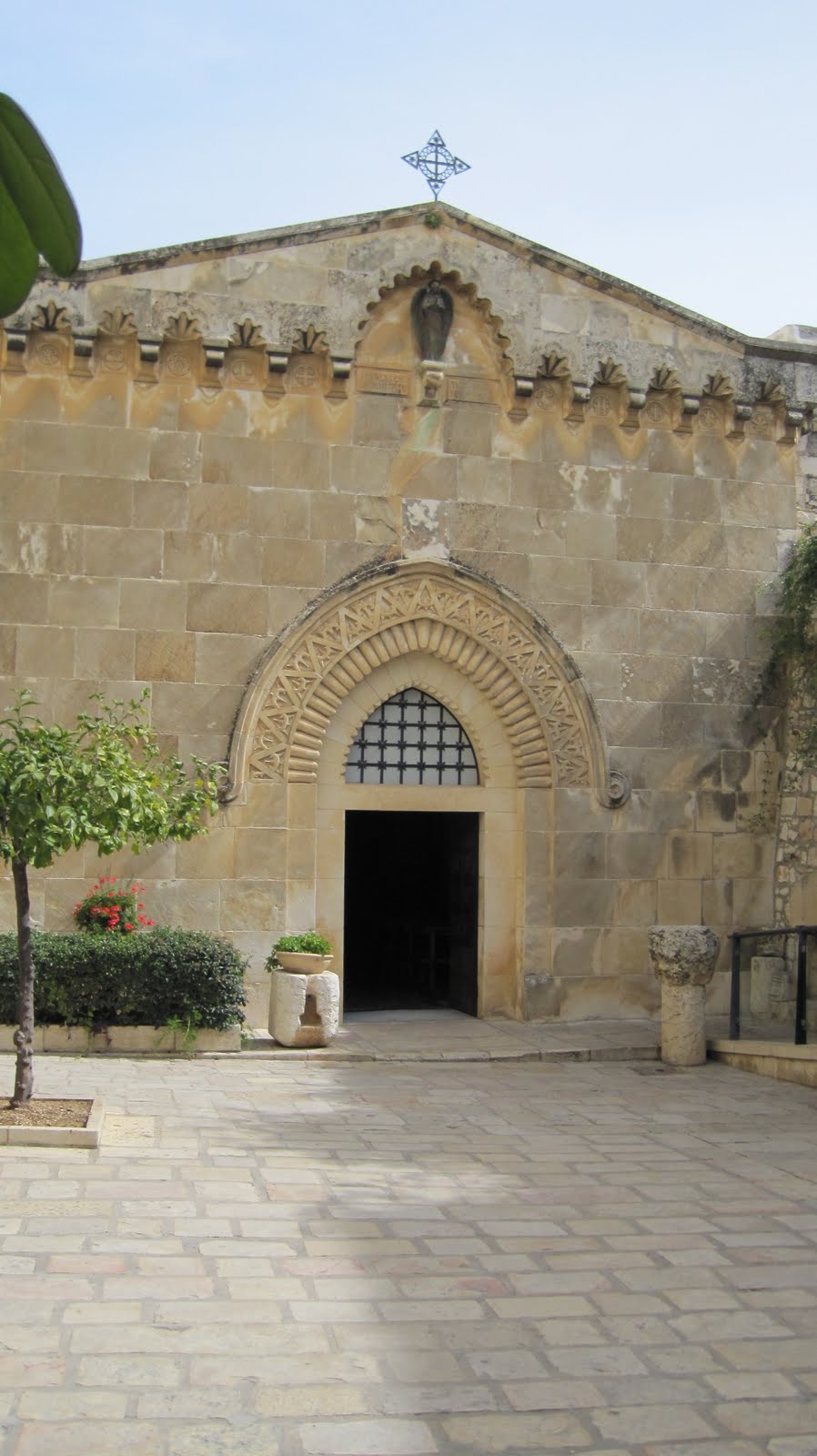
The Stations of the Cross generally refers to a devotion that originated in the 4th century when pilgrims flocked to the Holy Land from all parts of the world to visit the land of Jesus. When they got there, the most popular place visited was the Church of the Holy Sepulchre, which had been built by the Emperor Constantine in 335 A.D. over what was believed to be the tomb of Jesus. Over the years, the route of pilgrim processions—beginning at the ruins of the Fortress Antonia near the Church of the Flagellation (pictured) and ending at the Church of the Holy Sepulchre (the tomb)—was accepted as the way that Jesus had walked to his death. It became known as the “Via Dolorosa”, the “Sorrowful Way”, or “Way of the Cross”.

The Via Dolorosa marks the path Jesus traveled as he carried the cross from the place he was sentenced to the place of his resurrection. Through the years, “stations” developed as early pilgrims honored places where events were likely to have taken place. Many of these stations are only a guess since the Jerusalem of Jesus’ day was almost completely destroyed by the Roman armies in 70 AD. But since the majority of Christians throughout the world could not journey to Jerusalem to walk the Via Dolorosa, the Stations became a spiritual tool that would give them an opportunity for a “mini-pilgrimage”. It became a way for every Christian to enter that Holy Walk, the “Way of the Cross”, the way that takes us through the sorrows and despair of Holy Week that we, too, might emerge victorious in the glory of the Resurrection.

So, walk this way. It may not be easy or pleasant or calming to the soul. But by walking the Way of Sorrows, by entering the walk that Christ walked, one will truly encounter the incredible Feast of Joy. Begin your walk with the prayer below and then, as you walk, stop and gaze upon each station. Say the prayer of contemplation. And look…Think about what it means. Place yourself in its center. And when you are ready, move on…The Path is yours to walk. This is the Way of the Cross.

Lord Jesus Christ, take me along that holy way you once took to your death; Take my mind, my memory, above all my reluctant heart, and let me see what once you did for love of me and all the world.  Amen.  (From Victor Hoagland, C.P., “The Stations of the Cross and Other Devotions to the Passion”, available at http://www.cptryon.org/prayer/xstations/egeria.html, accessed 10 February, 2008.)