
Lectionary Passage: Luke 9: 28-36 (37-43)
28Now about eight days after these sayings Jesus took with him Peter and John and James, and went up on the mountain to pray.29And while he was praying, the appearance of his face changed, and his clothes became dazzling white.30Suddenly they saw two men, Moses and Elijah, talking to him.31They appeared in glory and were speaking of his departure, which he was about to accomplish at Jerusalem.32Now Peter and his companions were weighed down with sleep; but since they had stayed awake, they saw his glory and the two men who stood with him.33Just as they were leaving him, Peter said to Jesus, “Master, it is good for us to be here; let us make three dwellings, one for you, one for Moses, and one for Elijah” —not knowing what he said.34While he was saying this, a cloud came and overshadowed them; and they were terrified as they entered the cloud.35Then from the cloud came a voice that said, “This is my Son, my Chosen; listen to him!”36When the voice had spoken, Jesus was found alone. And they kept silent and in those days told no one any of the things they had seen. 37On the next day, when they had come down from the mountain, a great crowd met him.38Just then a man from the crowd shouted, “Teacher, I beg you to look at my son; he is my only child.39Suddenly a spirit seizes him, and all at once he shrieks. It convulses him until he foams at the mouth; it mauls him and will scarcely leave him.40I begged your disciples to cast it out, but they could not.”41Jesus answered, “You faithless and perverse generation, how much longer must I be with you and bear with you? Bring your son here.”42While he was coming, the demon dashed him to the ground in convulsions. But Jesus rebuked the unclean spirit, healed the boy, and gave him back to his father. 43And all were astounded at the greatness of God.
This passage requires that we open our mind and widen our souls; it requires that we strip away the things that we think we have figured out; it asks us to focus our attention on what is to be seen rather than on what we see. In other words, it ask us to go further, to view our world in the light of God’s Presence—not the way we imagine God to be but the way God invites us to experience the holiness and the sacred that is all around us. It calls us to see things differently, to remove the veil that we have created in our lives that shield us from things that are uncomfortable or do not make sense. Seeing things differently is not a new theme for us.
I mean, think about it. Here we have the story of a child born into anonymous poverty and raised by no-name peasants. He grows up, becomes a teacher, probably a rabbi, a healer, and sort of a community organizer. He asks a handful of people to become his followers, to help him in his mission. They leave everything they have, give up their possessions and their way of making a living, they sacrifice any shred of life security that they might have had, and begin to follow this person around, probably often wondering what in the world they were doing. And then one day, Jesus takes them mountain climbing, away from the interruptions of the world, away from what was brewing below. Don’t you think they were sort of wondering where they were going?
This story is told in all three of the Synoptic Gospels. The mountain that Jesus and the disciples climb sounds a lot like Mount Sinai that Moses had ascended centuries before. (The truth is, there is actually no historical mention of what mountain this might have been, or if there was a mountain at all.) Now remember that for this likely Jewish audience, mountains were typically not only a source of grandeur, but also divine revelation. And also remember again that in their understanding, God was never seen. God was the great I AM, one whose name could not be said, one whose power could not be beheld. And so this cloud, a sort of veiled presence of the holiness of God, was something that they would have understood much better than we do. And there on the mountain, they see Jesus change, his clothes taking on a hue of dazzling, blinding white, whiter than anything they had ever seen before. And on the mountain appear Moses (this time with no veil) and Elijah, standing there with Jesus—the law, the prophets, all of those things that came before, no longer separate, but suddenly swept into everything that Christ is, swept into the whole presence of God right there on that mountain.
So Peter offers to build three dwellings to house them. I used to think that he had somehow missed the point, that he was in some way trying to manipulate or control or make sense of this wild and uncontrollable mystery that is God. I probably thought that because that’s what I may tend to do. But, again, Peter was speaking out of his Jewish understanding. He was offering lodging—a booth, a tent, a tabernacle—for the holy. For him, it was a way not of controlling the sacred but rather of honoring the awe and wonder that he sensed. And then the voice…”This is my Son, my Chosen: listen to him!” OK…what would you have done? First the mountain, then the cloud, then these spirits from the past, and now this voice…”We are going to die. We are surely going to die,” they must have thought.
And then, just as suddenly as they appeared, Moses and Elijah drop out of sight and Jesus was standing there alone, completely unveiled. In Old Testament Hebrew understanding, the tabernacle was the place where God was. Here, this changes. Jesus stays with them and the cloud dissipates. Jesus IS the tabernacle, the reality of God’s presence in the world. And all that was and all that is has become part of that, swept into this Holy Presence of God. And, more importantly, we are invited into it. No longer are we shielded from God’s Presence. We become part of it, a mirror for all to experience and encounter the living God. And so the disciples start down the mountain. Jesus remains with them but they kept silent. The truth was that Jesus knew that this account would only make sense in light of what was to come. The disciples would know when to tell the story. They saw more than Jesus on the mountain. They also saw who and what he was. And long after Jesus is gone from this earth, they will continue to tell this strange story of what they saw. For now, he would just walk with them. God’s presence remains.
The Hebrews understood that no one could see God and live. You know, I think they were right. No one can see God and remain unchanged. We die to ourselves and emerge in the cloud, unveiled before this God that so desires us to know the sacred and the holy that has always been before us. The truth is, when we are really honest with ourselves, we probably are a little like the disciples. We’d rather not really have “all” of God. We’d rather control the way God enters and affects our lives. We’d rather be a little more in control of any metamorphosis that happens in our lives. We’d rather be able to pick and choose the way that our lives change. We’d rather God’s Presence come blowing in at just the right moment as a cool, gentle, springtime breeze. In fact, we’re downright uncomfortable with this devouring fire, bright lights, almost tornado-like God that really is God.
This account of the Transfiguration of Jesus seems to us that it should be the climax of the Jesus story—the quintessential mountain-top experience. After all, how can you top it—Old Testament heroes appearing, God speaking from the cloud, and Jesus all lit up so brightly that it is hard for us to look at him. But there’s a reason that we read this on the last Sunday before we begin our Lenten journey. In some ways, it is perhaps the climax of Jesus’ earthly journey. Jesus tells the disciples to keep what happened to themselves, if only for now. And then the lights dim. Moses and Elijah are gone, and, if only for awhile, God stops talking.
Have you ever been mountain climbing? The way up is hard. You have to go slowly, methodically even. You have to be very careful and very intentional. You have to be in control. But coming down is oh, so much harder. Sometimes you can’t control it; sometimes the road is slick and seems to move faster than your feet. And sometimes, through no fault or talent of your own, you get to the bottom a little bit sooner than you had planned. Yes, it’s really harder to come down.
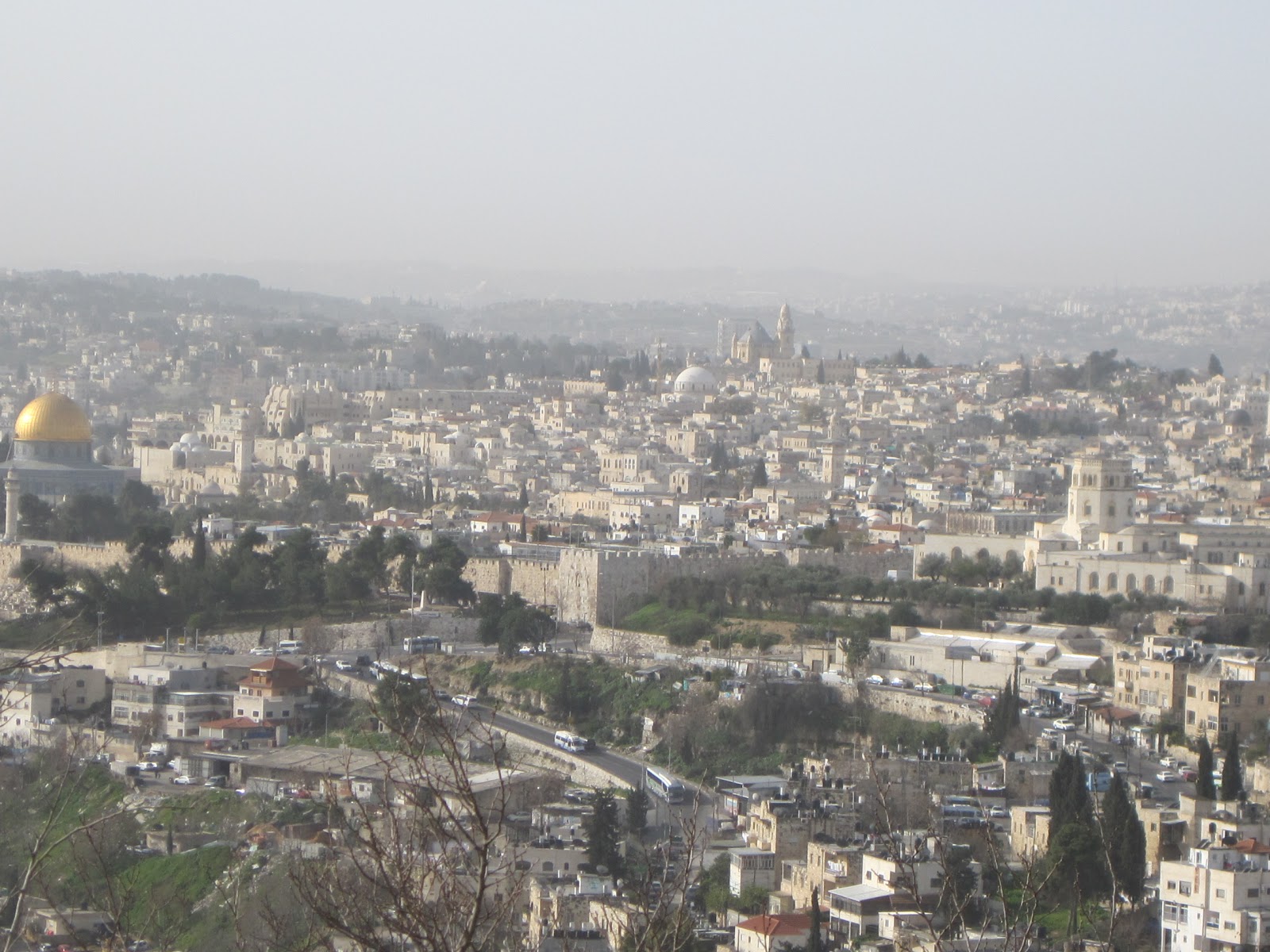
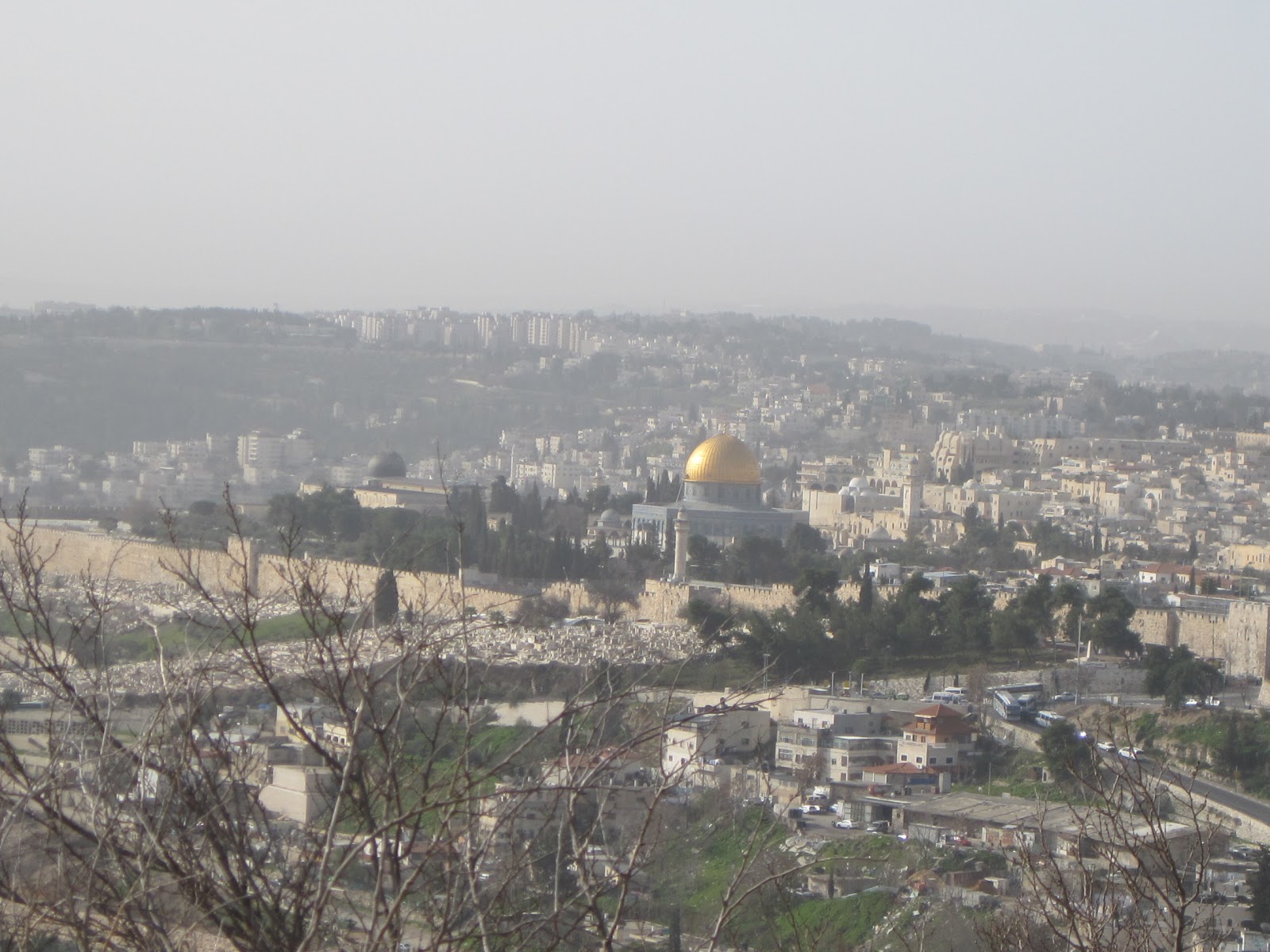
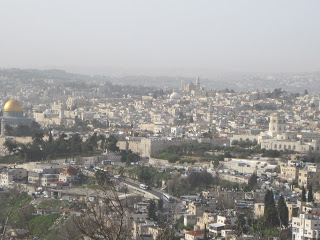 Jesus walked with the disciple in the silence. The air became thicker and heavier as they approached the bottom. As they descended the mountain, they knew they were walking toward Jerusalem. The veil that had been there all those centuries upon centuries was beginning to lift. One week from today, Lent begins. The Transfiguration is only understood in light of what comes next. Yes, the way down is a whole lot harder. We have to go back down, to the real world, to Jerusalem. (I think that’s why the verses following this account are there. Life goes on…) We have to walk through what will come. Jesus has started the journey to the cross. We must do the same.
Grace and Peace,
Shelli




 Dancing to God