(part of the “Breathing Out” Lenten Series)
(Again, there are a couple of musical offerings…keep scrolling or you’re miss part of it!)

SCRIPTURE TEXT: John 20: 1-18 (Easter Sunday)
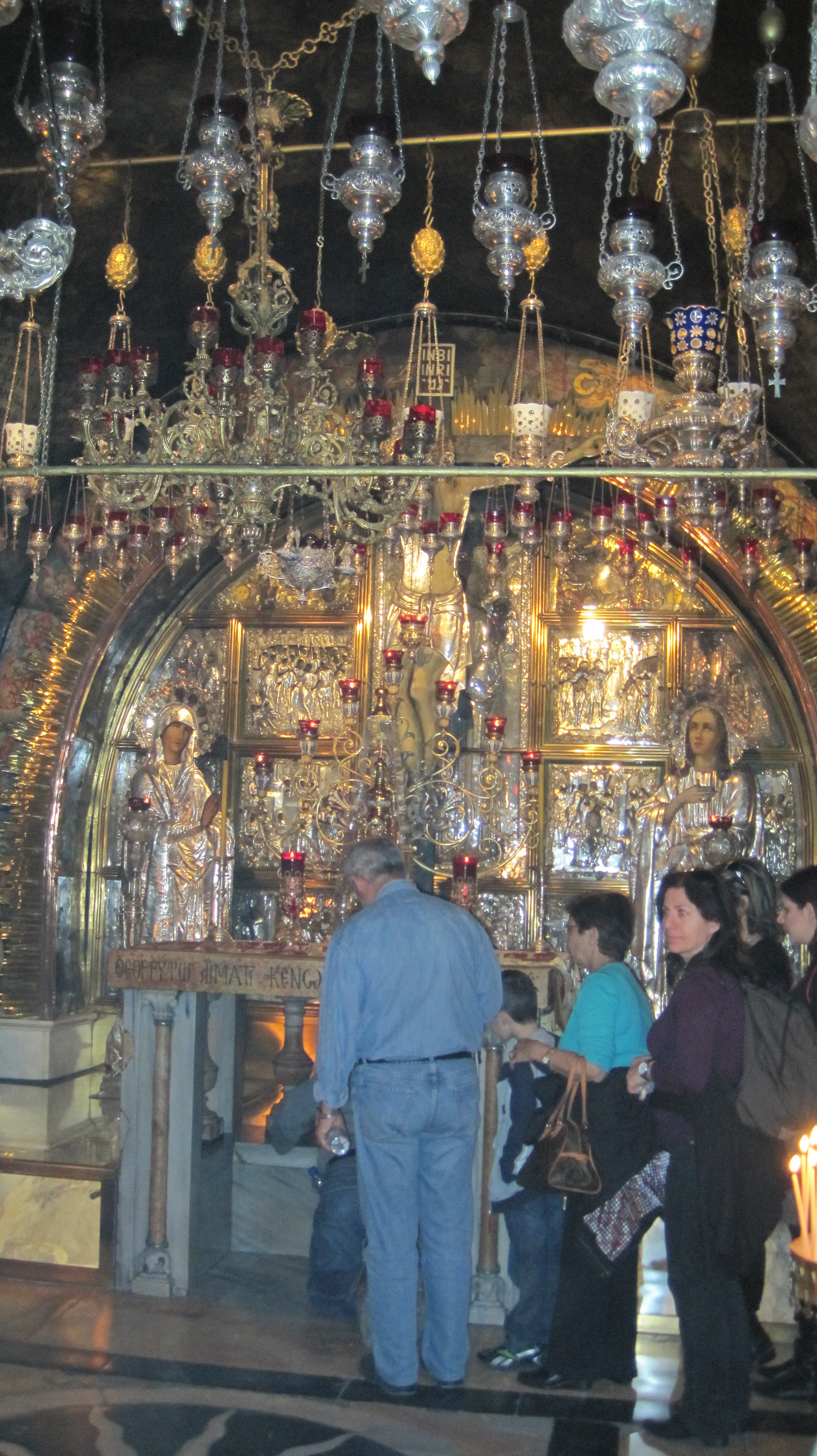
20Early on the first day of the week, while it was still dark, Mary Magdalene came to the tomb and saw that the stone had been removed from the tomb. 2So she ran and went to Simon Peter and the other disciple, the one whom Jesus loved, and said to them, “They have taken the Lord out of the tomb, and we do not know where they have laid him.” 3Then Peter and the other disciple set out and went toward the tomb. 4The two were running together, but the other disciple outran Peter and reached the tomb first. 5He bent down to look in and saw the linen wrappings lying there, but he did not go in. 6Then Simon Peter came, following him, and went into the tomb. He saw the linen wrappings lying there, 7and the cloth that had been on Jesus’ head, not lying with the linen wrappings but rolled up in a place by itself. 8Then the other disciple, who reached the tomb first, also went in, and he saw and believed; 9for as yet they did not understand the scripture, that he must rise from the dead. 10Then the disciples returned to their homes.
11But Mary stood weeping outside the tomb. As she wept, she bent over to look into the tomb; 12and she saw two angels in white, sitting where the body of Jesus had been lying, one at the head and the other at the feet. 13They said to her, “Woman, why are you weeping?” She said to them, “They have taken away my Lord, and I do not know where they have laid him.” 14When she had said this, she turned around and saw Jesus standing there, but she did not know that it was Jesus. 15Jesus said to her, “Woman, why are you weeping? Whom are you looking for?” Supposing him to be the gardener, she said to him, “Sir, if you have carried him away, tell me where you have laid him, and I will take him away.” 16Jesus said to her, “Mary!” She turned and said to him in Hebrew, “Rabbouni!” (which means Teacher). 17Jesus said to her, “Do not hold on to me, because I have not yet ascended to the Father. But go to my brothers and say to them, ‘I am ascending to my Father and your Father, to my God and your God.’” 18Mary Magdalene went and announced to the disciples, “I have seen the Lord”; and she told them that he had said these things to her.
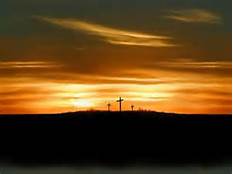
The women who walk to the tomb in the pre-dawn morning knew what they would find. After all, they were there at the Cross. They saw what had happened. Jesus had died. All hope for something more was gone. All dreams of the world somehow turning around and emerging from the darkness in which they lived had ended at that cross. They were able to quickly get his body and they had buried him, hastily laying him in a borrowed tomb so that the authorities would not find the body and take it as proof of his death. And then sundown came all too quickly before they could prepare the body. They had to stop what they were doing and observe the Passover Sabbath. They had to suspend breath if only for a moment…
This has happened before. Way back in Genesis, way back in the beginning, while it was still dark, God created. God took nothingness and made something. God took darkness and made light. God took chaos and made beauty. God took a void and made life. And here we are again…God has taken what we thought was the end, what we thought was death and grief and despair and made our eternity…breathe it all in….Finally…morning has broken again!
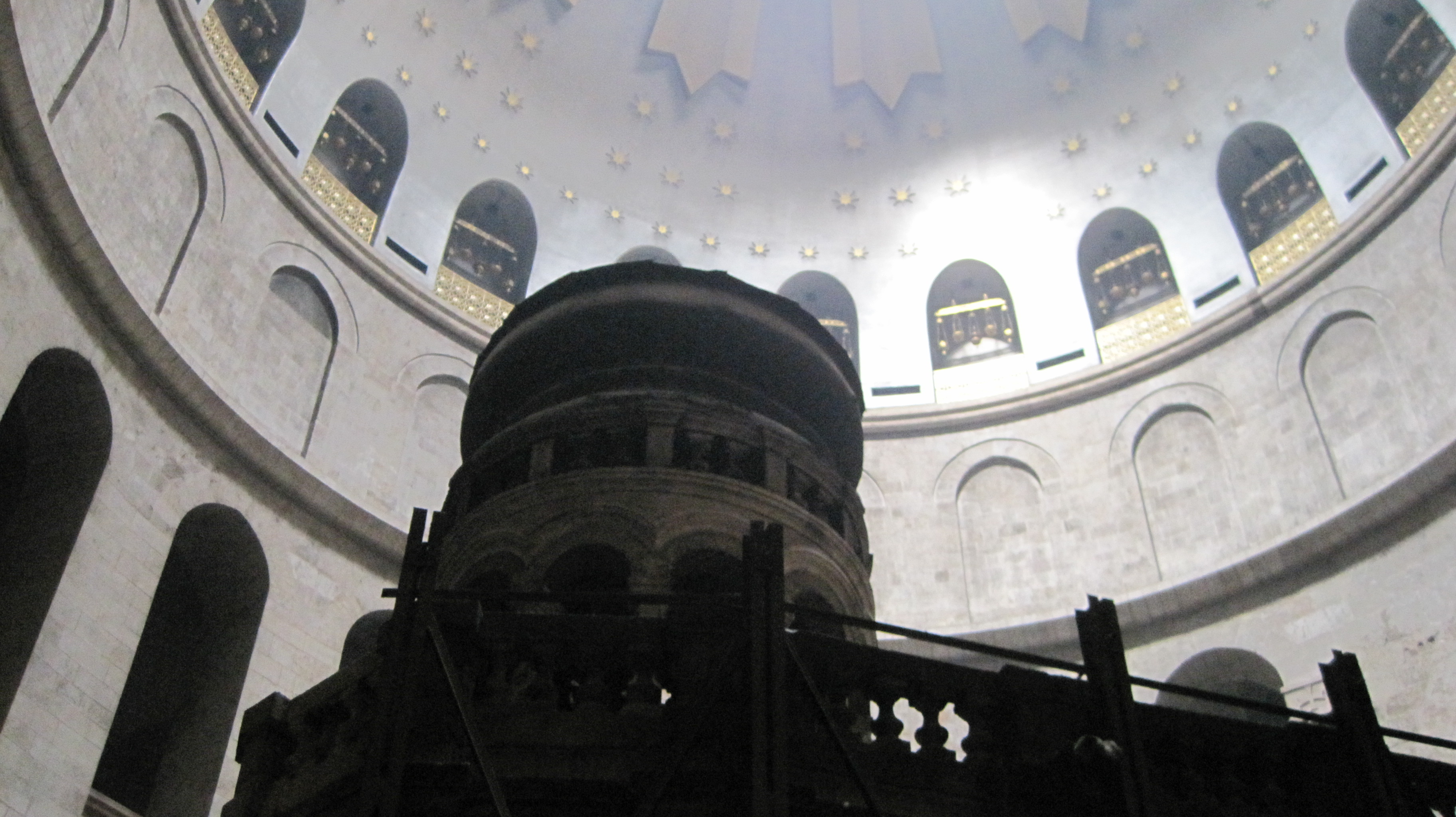
So, they come early, before the rest of the world was awake to finish what they needed to do, to properly prepare Jesus’ body for burial. They knew what they would find. But when they came around the path by the tomb, they were stunned. The heavy stone, the one that had taken all of them to roll over the hole, was no longer covering up the entrance. So, Mary takes off running. She ran to Simon Peter. He would know what to do. You can imagine his response: “What do you mean he’s not there??? That’s crazy. That doesn’t even make sense!” So, Peter and one of the other disciples went to see for themselves, running faster and faster down the pathway, surely knowing but probably dreading whatever they might find at the end. It was all there—the tomb, the linen wrappings, the cloth that had covered his head. Everything was there but Jesus. The Scripture says they believed. I don’t think they fully grasped it, though. They believed he was gone. But where did he go? And in that moment of not knowing what to think, not knowing what to do, not knowing where to turn, suspended between despair and hope, their faith journey truly began. This was the point where faith had to replace making sense of things.
But Mary Magdalene, distraught yet again with grief over what seemed to be yet another loss, just looking for ANYONE that could explain what happened or maybe just listen, mistook Jesus for the gardener. It wasn’t until he spoke that she knew who it was. It wasn’t until he spoke and she heard his voice in the darkness that she knew that she had seen the Lord. She caught her breath as if it wouldn’t continue coming…but it would.
Yeah, they had it all figured out. It was clear to them, until it wasn’t. Perhaps part of the message of Easter is that there’s always more to the story than what we know or what we have figured out or the limits around which we have constructed our very lives. So, in the darkness of Easter morning, our faith journey really begins.
But there’s something we often miss in this story. There is no sunrise service where Jesus rises with the Light. In fact, this particular Gospel account doesn’t even have any light at all. It takes great care in pointing out that it was early in the morning, while it was still dark. All of this happened in the darkness. But more than that, all of this REALLY happened before anyone showed up. Under cover of darkness, while the rest of the world was sleeping and grieving, before the women came, before the world started stirring, while Creation was still groaning under the weight of that Friday, God began doing something new. While it was still dark, God was recreating Life. God had done that before. God had come into the dark void and spoke Light and Life into being and Creation had begun. And, here, God does it yet again.
We speak of those that came to the tomb that morning as “witnesses” to the Resurrection, but, truth be told, there WERE no witnesses. No one actually SAW Jesus rise any more than anyone actually SAW God create the world. There was no one there to document either for us. Everyone who saw Jesus alive again saw him after. Whatever happened between the hours that Jesus was laid in the tomb and that moment when the grave cloths were found discarded on the tomb’s floor, whatever happened between the beginning of the Sabbath and the morning of that third day, happened in the dark. We tend to begin our Easter morning with shouts of alleluia and beautiful Easter lilies offset by brightly streaming light. But that’s not really the way the story goes. Everyone who believes actually came into a story that was already going on, even those that were present that day at the tomb. Believing is not about seeing it happen but rather coming into the work that God has already begun and knowing that it is Truth AND that it is your story. Our journey of faith begins in the dark.
Maybe THAT’S the Resurrection story—that God does not wait until the world cleans up its act, that God does not wait until we are who we should be, that God does not wait until we believe to actually show up. Maybe the story is that God is working all the time to resurrect, to re-create, to reconcile all of us so that even in the dark, no, ESPECIALLY in the dark, we know that God is there.
So, think about it. Have you ever noticed how quietly Easter arrives? There are no angelic choirs making announcements of Jesus’ coming. There are no foreign visitors bringing gifts. There aren’t even any ordinary folks that come in from the Shepherds Fields to see what has happened. There is no voice thundering from heaven or Old Testament characters showing up on queue. There’s no drama of parting waters or chariots of fire or burning bushes or mountains shrouded in cloud. The sounds of the Resurrection are quiet, almost fearful. They seem uncertain what will happen next, a little reticent at going forward in a new way. And yet, there is a certain peace to Easter, a peace that begins in the quiet of the darkness and then allows the Light to begin to peek into the scene. It’s as if Jesus rises just for Mary and calls her by name. Maybe that’s what Jesus does for each of us. In the quiet darkness, Jesus comes and rises before we get there and then when we are listening, says our name. And we begin to follow wherever Jesus goes. We just have to pay attention.
Some of you may remember this, but thirty-two years ago, an F4 tornado hit Goshen United Methodist Church in Piedmont, Alabama. It was Palm Sunday and the younger children’s choir had just finished presenting a pageant and were all seated on one pew. Rev. Kelly Clem was in the pulpit just beginning her sermon when the tornado struck, immediately lifting the roof off and toppling several of the church’s walls to the floor, crashing down on top of the pews and the congregation. The tornado killed nineteen people and injured eighty-six others that day. Over the next few days, all through Holy Week, the pastor performed one funeral after another, including one for her four-year old daughter, Hannah, who had been part of the choir. Toward the end of the week, she began receiving calls from members of the congregation. Given the death of the pastor’s daughter and the destruction of their sanctuary, they asked, “Reverend Clem, are we having Easter this year?” Her response? “Easter is coming.”
That Sunday morning, two hundred people gathered in the front yard of the destroyed facilities at Goshen UMC while it was still dark. And as the sun began to rise, Rev. Clem, with a bandaged head and her shoulder in a brace and a heart broken with grief, stood up in a makeshift pulpit, opened her Bible and read from Romans 8: “Nothing in all creation can separate us from the love of God in Christ Jesus our Lord.”
THAT’S the Easter message. It’s not that God put light where there was darkness; it’s not that despite all the darkness that is inflicted onto us by circumstances or by other people, God always comes out on top. The message is that while it is still dark, God is working, recreating, resurrecting, raising us up. The truth is, we call ourselves “people of the cross”. I’m not sure if that’s really it. We’re probably more “people of the empty tomb”, “people of what happened after”, “people of what God is doing now”. And more than that, if we read this story as something historic, something that happened nearly 2,000 years ago that we just make sure we read once a year surrounded by Easter lilies, we have missed the point. This day is about Jesus’ Resurrection, the one NOW. That’s why most of our words for today are in present tense. “Christ the Lord is risen today…” And it’s also about OUR resurrection, OUR re-creation, OUR reconciliation with God. It’s ongoing. Even while at times it seems dark, God is there, recreating and resurrecting and making us something new.
It’s not just looking on the bright side of life and ignoring the darkness as if it doesn’t exist; it’s not a promise that nothing will ever go wrong or that God will put everything back in place at some point if we just hold on. To be honest, that’s just bad theology. Easter is not about replacing the bad with the good; In fact, I will tell you that Easter makes a whole lot more sense when you go through Holy Week and Good Friday, when you travel through the darkness, through the breathlessness. Because the truth is, we are not out of the darkness, the wilderness (ARE YOU KIDDING?). Life is a wilderness. And God shows us not the way around, but the way through. In fact, God walks with us through the wilderness showing us The Way, struggling for breath though we may be. That’s it. God takes our hand while it is still dark, calls our name, and shows us The Way.
So, while it was still dark, Mary Magdalene went and announced to the disciples, “I have seen the Lord.” Because, Easter does not merely change death; Easter changes life. Easter shows us the Risen Christ. And once we’ve seen the Lord, once we’ve peered into the darkness and have caught a faint vision of Light, even if we don’t really know EXACTLY where it is, once we, too, have heard our name and Risen, there is no going back. He is Risen! He is Risen indeed! And so are we—even when it’s hard to breathe. Keep breathing…Breathe in…THIS IS IT!
We have been through mangers and angels and visitors from the East. We have read of sermons on a mountain and welcoming proclamations to those who did not belong. Where we started, that birth of a king, is coming to be. Glory to God! But the world is different. It’s up to us to carry that message into the world. It’s up to us to continue practicing resurrection! Joy to the World!
Go to the street corners and invite to the banquet anyone you find. (Jesus)
Thank you for joining me for my “Breathing Out” Lenten series. I hope it was meaningful for your Lenten journey. I’ll be back to the once-a-week (ish) schedule so keep reading and I so welcome comments and responses. And keep breathing as you practice resurrection!
Happy Easter!
Shelli
 Dancing to God